Bruxism is the medical term for teeth grinding or jaw clenching — often done without any awareness at all. It can happen during the day (awake bruxism) or, more commonly, during sleep (sleep bruxism). Over time it wears down enamel, fractures teeth, and triggers jaw pain or headaches that patients often write off as stress. The reassuring part: with the right diagnosis it's highly manageable, usually through a custom night guard, stress management, and in some cases muscle-relaxing injections.
What causes teeth grinding?
The exact cause isn't always clear-cut. In our experience, bruxism almost always results from a mix of factors rather than a single trigger. Commonly reported contributors include:
- Stress and anxiety. Emotional tension is one of the most frequently associated triggers, especially for awake clenching.
- Sleep disorders. Sleep bruxism is classed as a sleep-related movement disorder and often occurs alongside snoring or pauses in breathing (sleep apnoea).
- Lifestyle factors. Caffeine, alcohol, smoking, and recreational drugs may increase the risk, as can some medications such as certain antidepressants.
- Bite and genetic factors. An uneven bite (malocclusion) can play a role, and grinding sometimes runs in families.
3 things many people don't know about bruxism
1. You can grind your teeth for years without realising
Because most grinding happens during sleep, many people are completely unaware of it until a partner hears the noise — or a dentist spots the damage at a routine check-up. Worn, flattened, or sensitive teeth and morning jaw stiffness are often the first clues. According to the NHS, regular dental check-ups are the simplest way to catch early enamel wear before it becomes serious.
2. It's not just a tooth problem — it affects the whole jaw
The force behind grinding comes mainly from the masseter, the strongest muscle of the lower jaw. Sustained overuse leads to temporomandibular joint (TMJ) discomfort, restricted jaw movement, earache, facial pain, and tension headaches that are often worst first thing in the morning. Left unmanaged, chronic grinding can fracture or loosen teeth and — in severe cases — lead to the need for crowns, root canals, or restorations.
3. Treating the symptom isn't enough — the trigger matters
A night guard protects your teeth. It does not stop the grinding itself. Lasting improvement usually means addressing the underlying driver too — managing stress, improving sleep, cutting back on caffeine and alcohol, and investigating any possible sleep apnoea. The best outcomes we see combine protection with prevention, not one or the other.
How bruxism is diagnosed
A dentist can usually identify bruxism during a routine examination by checking for tell-tale enamel wear, tooth sensitivity, jaw tenderness, and damage to the soft tissue inside the cheeks. Where sleep bruxism is suspected alongside breathing problems, a sleep study may be recommended to rule out related disorders. If you notice any of the signs below, it's worth booking an assessment:
- Grinding or clicking sounds noticed by a sleep partner
- Jaw soreness, tightness, or clicking
- Tooth sensitivity, chips, or flattened biting surfaces
- Frequent morning headaches or facial pain
- Neck and shoulder tension
Treatment options
There's no single cure, but several evidence-informed approaches can protect your teeth and ease symptoms. Your dentist will recommend a plan based on the cause and severity.
| Approach | What it does | Best suited to |
|---|---|---|
| Custom night guard / splint | Cushions and separates the teeth to limit grinding damage | Most people with sleep bruxism |
| Stress & sleep management | Targets a common underlying trigger | Stress-related or awake clenching |
| Behavioural techniques | Biofeedback and habit-awareness to reduce daytime clenching | Awake bruxism |
| Bite correction / restoration | Reshaping or restoring worn teeth where damage has occurred | Existing tooth wear or misalignment |
| Botox (masseter injections) | Temporarily relaxes the jaw muscle to reduce clenching force | Severe or treatment-resistant cases |
Night guards
The longest-established treatment is a custom-fitted night guard — sometimes called a night splint or occlusal splint. These come in soft and hard versions of varying thickness and sit over the teeth during sleep, absorbing pressure and protecting enamel. A guard made and adjusted by a dentist fits better and lasts considerably longer than anything you'll find over the counter.
Botox for the masseter muscle
For more severe grinding, botulinum toxin (Botox) injected into the masseter muscles is increasingly used to reduce their contracting force, easing clenching both by day and night. Effects are temporary and typically last a few months, so treatment is repeated periodically. As with any clinical procedure, Botox is not suitable for everyone — it should be carried out by a qualified clinician after a proper assessment, and it is not advised during pregnancy or breastfeeding, or for those with certain neuromuscular conditions.
Why protecting your teeth matters
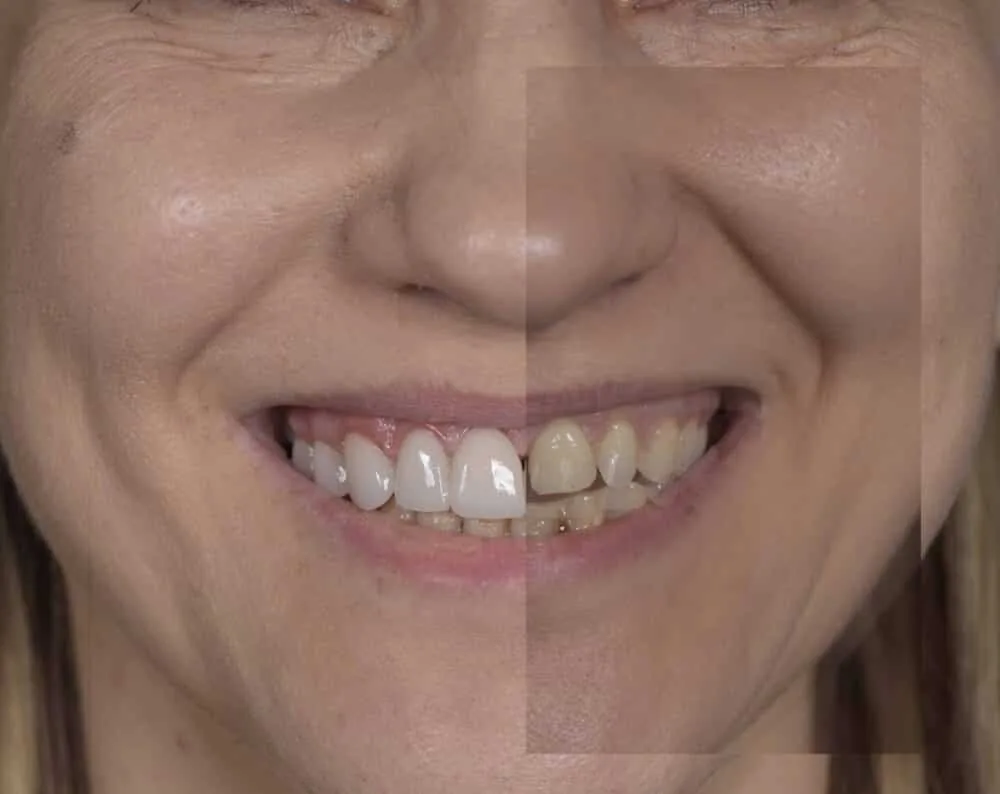
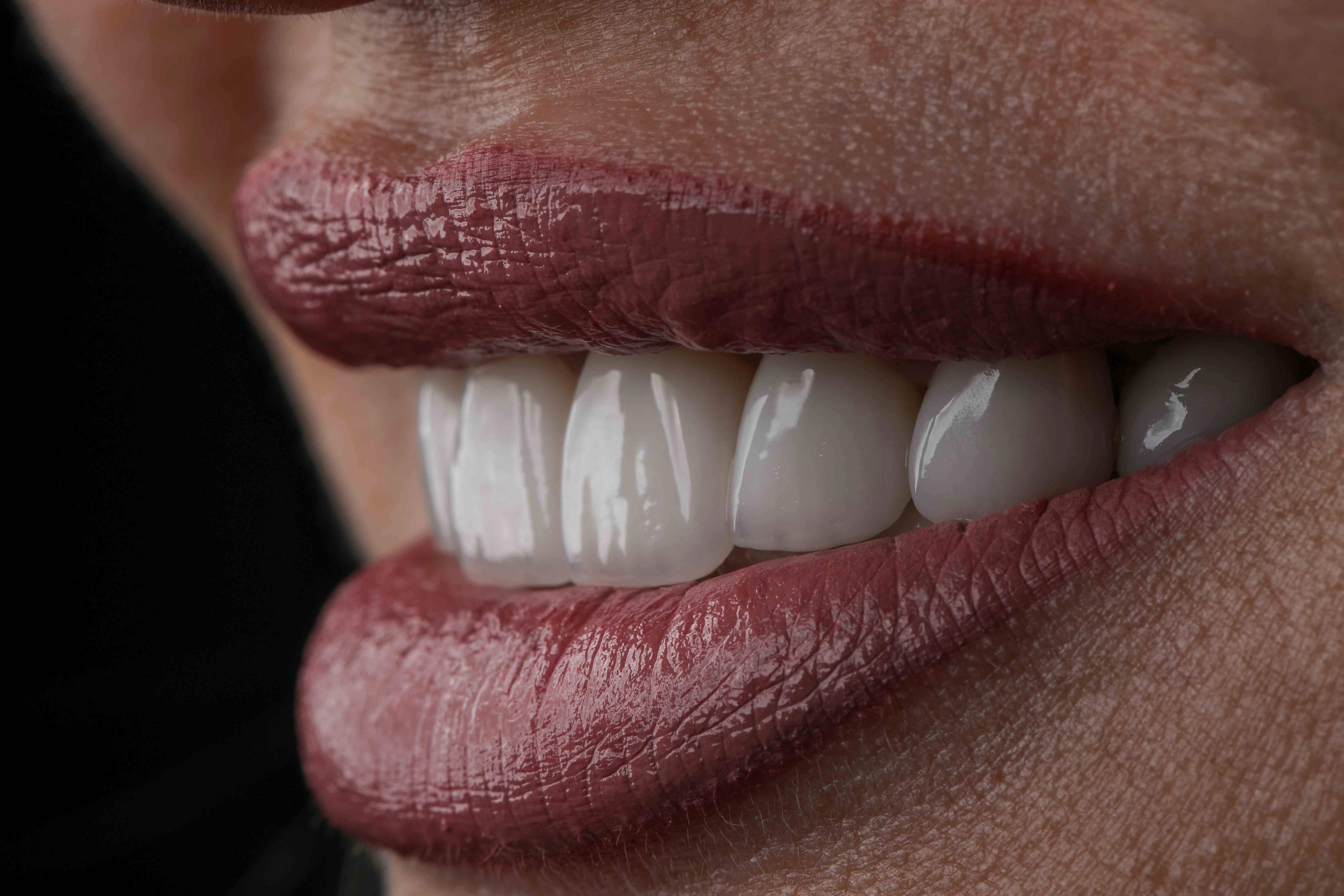
If grinding has already damaged your teeth, restorative treatment may be needed — and a night guard then becomes essential to protect that work. Severe wear sometimes requires crowns, veneers, or in advanced cases dental implants where teeth have been lost. Protection is particularly important if you've invested in cosmetic work such as a Hollywood smile or veneers, since grinding can significantly shorten the lifespan of restorations.
When to see a dentist
Early intervention can prevent lasting damage and discomfort. If you wake with a sore jaw, notice worn or sensitive teeth, or a partner mentions grinding sounds, arrange a dental assessment sooner rather than later. A dentist can confirm the diagnosis, protect your teeth, and help you address the root cause. You can learn more about general dental care from the ADA's MouthHealthy resources.
If you think you may be grinding your teeth, our team can review your case and recommend a tailored plan. Book a free consultation to share your concerns and get clinical guidance.
This article is for general information only and is not a substitute for professional advice. Please read our medical disclaimer.