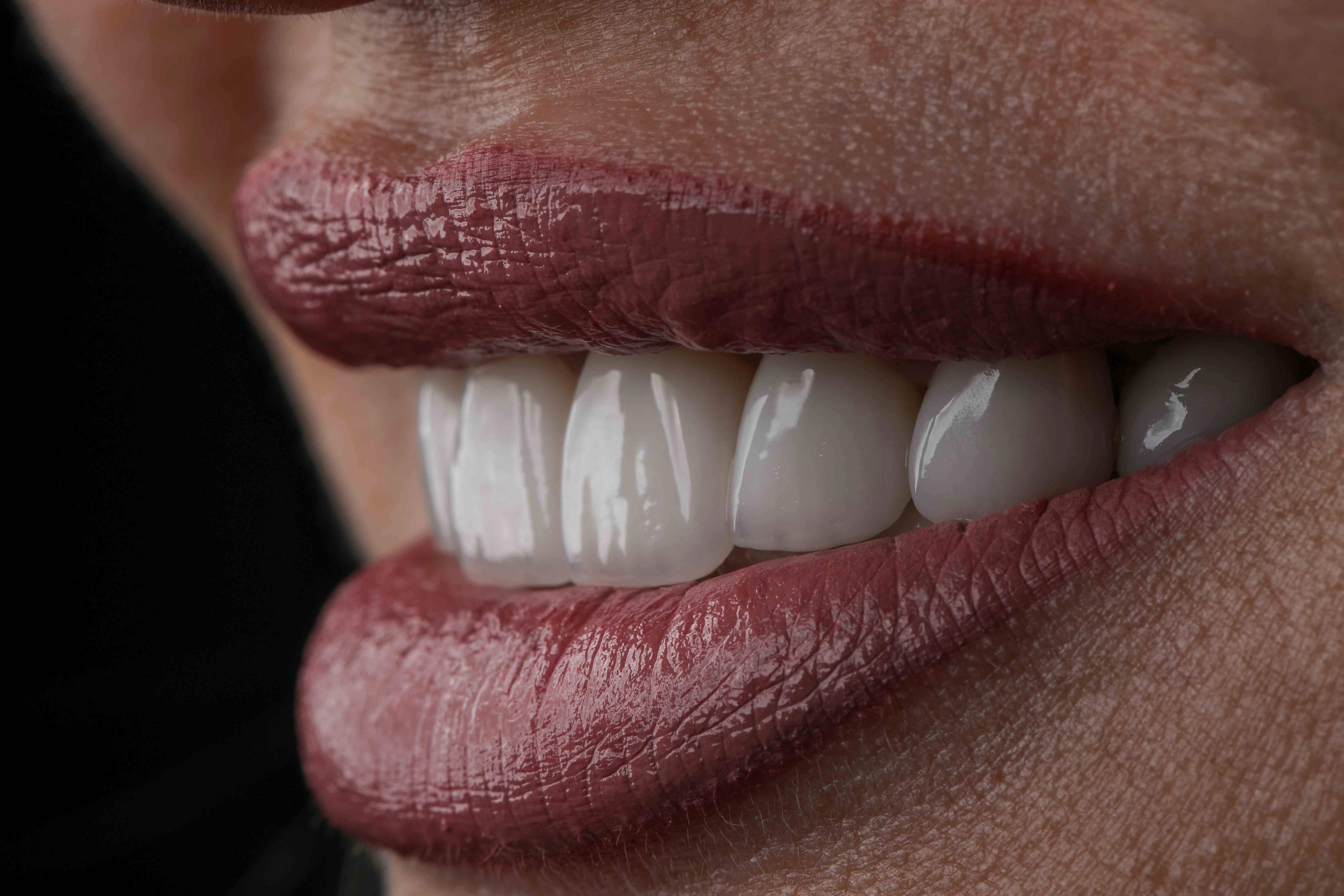

Dental Botox is the clinical use of botulinum toxin, injected by a trained dentist into specific facial or jaw muscles to ease conditions such as teeth grinding (bruxism), jaw-joint (TMJ) tension and a "gummy" smile. Its effects are temporary — muscle-relaxing rather than permanent — and when delivered by a qualified clinician in small, targeted doses it carries a well-established safety record. Think of it as a supporting therapy, not a substitute for addressing the underlying dental cause.
What is dental Botox?
Botulinum toxin is a purified protein that briefly blocks the nerve signals telling a muscle to contract. The muscle relaxes, easing tension or softening an overactive movement. In dentistry we work with low therapeutic doses placed precisely — which is quite different from the raw toxin in any meaningful sense. The full effect typically develops over 3–7 days and wears off after roughly 3–4 months, so treatment is repeated to maintain results.
It should always be administered by a dentist or doctor trained in facial anatomy. The same care applies across all aesthetic dentistry; if you're exploring a wider smile makeover, our overview of treatment options for "Turkey teeth" is a good starting point for keeping expectations realistic.
5 evidence-based uses in dentistry
1. Bruxism (teeth grinding and clenching)
Relaxing the powerful masseter muscles can reduce the force of clenching and protect teeth and restorations from wear. The American Dental Association notes that grinding is increasingly common and is often first managed with a custom night guard and stress management. Botox is best viewed as an adjunct to, not a replacement for, those measures.
2. TMJ-related muscle pain and headaches
Where jaw and temple muscles are chronically overactive, targeted injections may help ease tension headaches and facial soreness. The evidence here is promising but still developing. Any clinic worth its salt should be honest that results vary between patients.
3. Gummy smile
Most UK patients who ask us about this have been self-conscious for years but weren't sure anything could be done short of surgery. When a smile shows a lot of gum because the upper lip lifts too high, small doses can gently relax the lip elevators so the lip rests slightly lower. The change is subtle and temporary — which suits patients who want to trial it before committing to anything more involved.
4. Support during and after orthodontics
In selected cases it can help retrain overactive muscles and reduce relapse-driving forces while teeth settle into their new position. This is a niche, clinician-judged use rather than a routine step — your dentist will know whether it applies to your situation.
5. Adjusting to new restorations or dentures
After major work such as implants or a full smile rehabilitation, temporarily easing dominant muscles can help patients adapt while the bite is fine-tuned. If you're weighing larger treatments, our guides to dental implants in Turkey and Hollywood smile design explain the core procedures in detail.
Is the procedure safe and what does it involve?
A consultation comes first. Your clinician reviews your medical history, examines the muscles involved and confirms whether Botox is appropriate. The injections themselves take only a few minutes — most people describe brief, minor discomfort — and you can usually return to normal activity the same day. Temporary side effects can include mild bruising, tenderness, or in rare cases asymmetry or a weaker bite if dosing isn't precise. That last point is why operator skill matters so much.
Botox isn't suitable for everyone. It's generally avoided in pregnancy and breastfeeding, in certain neuromuscular conditions, and where there is an allergy to the product. Tell your clinician about all medications and health conditions. For general guidance on planning treatment, the NHS outlines what to expect from common dental care, and its treatment-abroad checklist is worth reading if you're travelling for care.
Cost and what to ask
Pricing depends on the number of areas treated and the dose required, so figures are best confirmed at consultation rather than quoted loosely online. When comparing providers, ask who performs the injections and what their training is, how side effects are managed, and — critically — how the underlying problem (grinding, for example) will also be addressed. You can review our indicative price list for wider treatments.
Sources
- ADA MouthHealthy — Teeth Grinding (Bruxism)
- NHS — Dental treatments
- NHS — Going abroad for treatment checklist
Curious whether dental Botox or another approach fits your needs? Request a free consultation and our clinical team will review your case.
This article is for general information and is not a diagnosis or treatment plan; please read our medical disclaimer.