The best dental centre in Turkey for you is the one that can back its standards with verifiable evidence: an independent accreditation such as TEMOS or JCI, named dentists you can look up in a public register, branded materials traceable to their manufacturer, and a body of genuine patient reviews. Price matters — of course it does — but it should be the last filter you apply, not the first. What follows is a plain-English guide to exactly what you should check before you book, so you can assess any clinic on fact rather than marketing copy.
Why due diligence matters for treatment abroad
Dental treatment abroad is generally safe when it's delivered by a properly accredited clinic following recognised hygiene and clinical protocols. The risk isn't Turkey itself; it's choosing a clinic you haven't properly vetted. The NHS recommends researching your provider, confirming qualifications, and planning aftercare before you travel. Their treatment-abroad checklist is a sensible starting point and applies just as much to dentistry as to any other procedure.
1. Independent accreditation (TEMOS, JCI, ISO)
Accreditation is a third-party audit of a clinic's safety practices, sterilisation protocols, record-keeping and patient-care standards. It's the single most useful signal you have — because the clinic cannot award it to itself.
- TEMOS — a German-founded accreditation focused specifically on clinics that treat international patients; it assesses clinical quality and the patient journey end to end.
- JCI (Joint Commission International) — a global hospital-accreditation standard, more common in large hospital groups than standalone dental clinics.
- ISO 9001 / sterilisation certification — useful supporting evidence of consistent processes.
Bergedent is TEMOS-accredited, which means our international-patient pathway has been independently audited. Whatever clinic you're considering, ask to see the certificate and check it's current — accreditations carry an expiry date.
2. Verify the dentist, not just the clinic
A clinic is only as good as the clinician holding the handpiece. Ask for the full name and registration of the dentist who will actually perform your treatment, then confirm it independently. In Turkey, dentists are registered with the Turkish Dental Association and provincial chambers. If a clinic won't tell you who is treating you, treat that as a warning sign.
Most UK patients we speak to don't think to ask about postgraduate training — but for complex work it really matters. Full-arch implants, for instance, should be planned and placed by an experienced implantologist. Our treatments are medically reviewed by an MSc-qualified lead implantologist, and we're happy to confirm exactly who is responsible for each stage of your care.
3. Ask which materials and implant brands are used
For implants and crowns, the specific brand and grade of material directly affects longevity — and the ease of any future repair. A reputable clinic states the brand in writing and provides manufacturer warranty documents as a matter of course.
- Implant systems: established brands (for example Straumann, Nobel Biocare or comparable) are supported worldwide, so components can be matched years later. Unbranded or undisclosed implants can be difficult for any other dentist to service.
- Crowns and veneers: ask whether restorations are zirconia, layered porcelain or pressed ceramic such as E.max, and request the lab certificate.
Independent evidence supports well-placed, quality implants: a 20-year meta-analysis published in PMC reports high long-term survival, and a porcelain-veneer review in PMC reports favourable survival over many years. These outcomes depend on case selection, technique and aftercare — no clinic can guarantee a result for every patient.
4. Read reviews critically
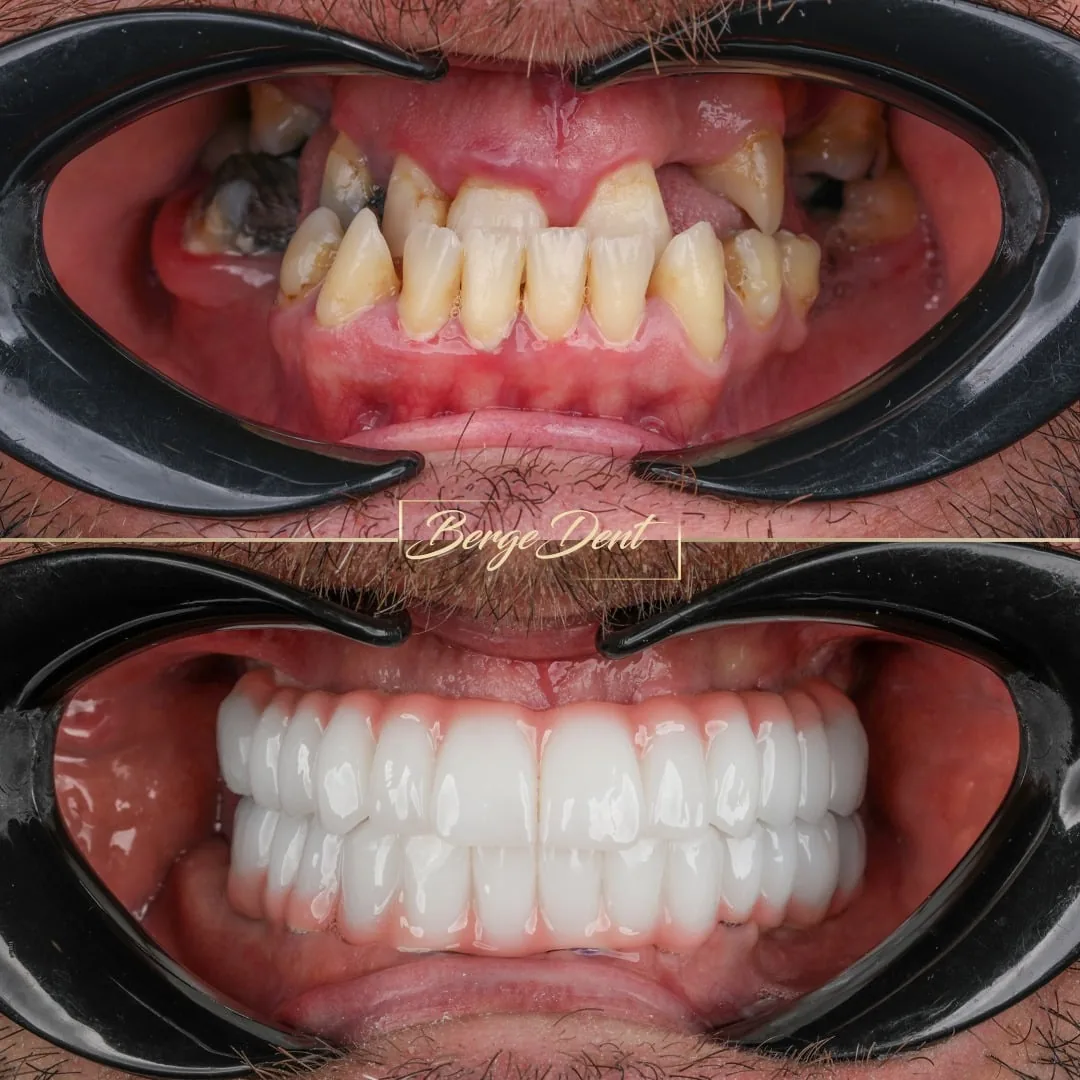
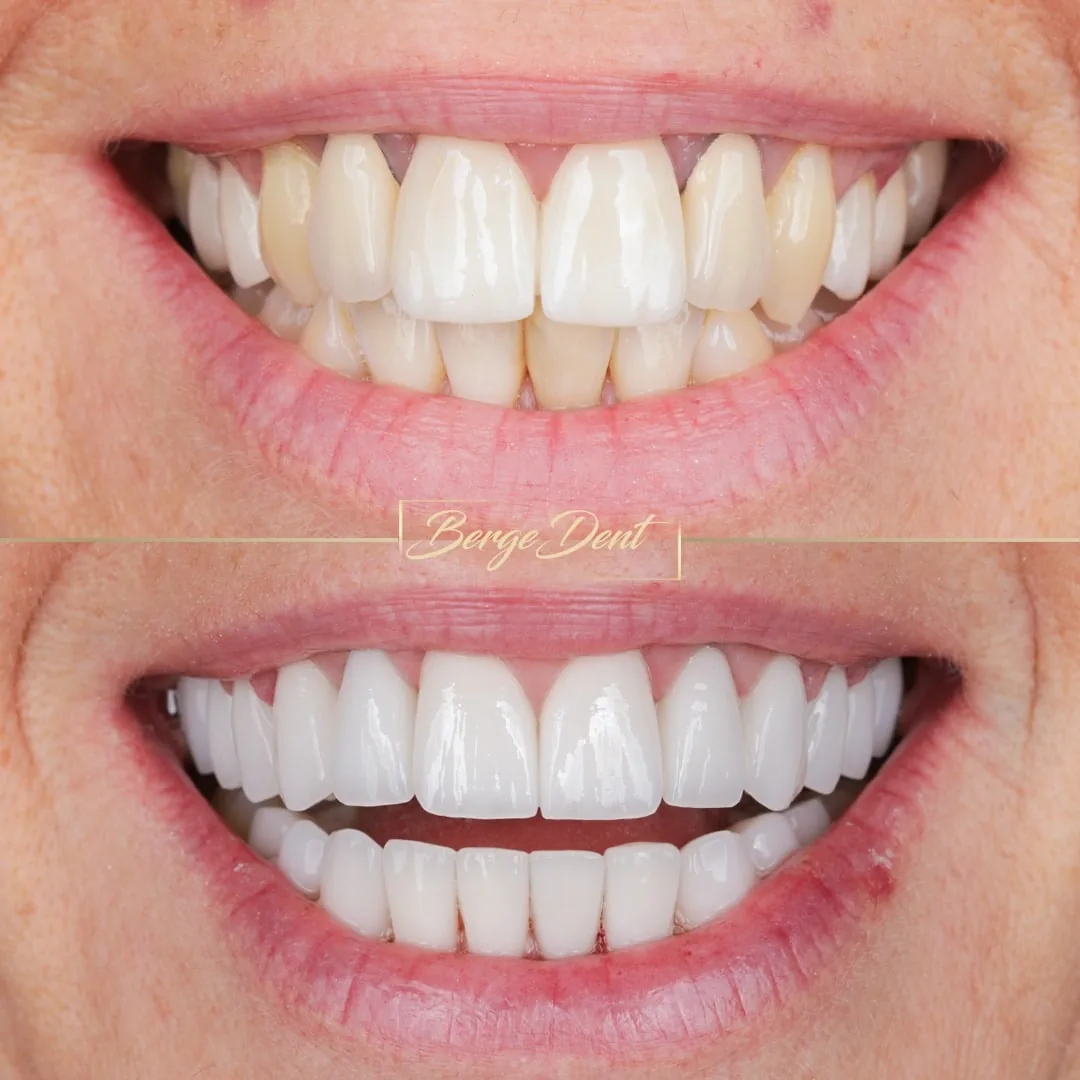
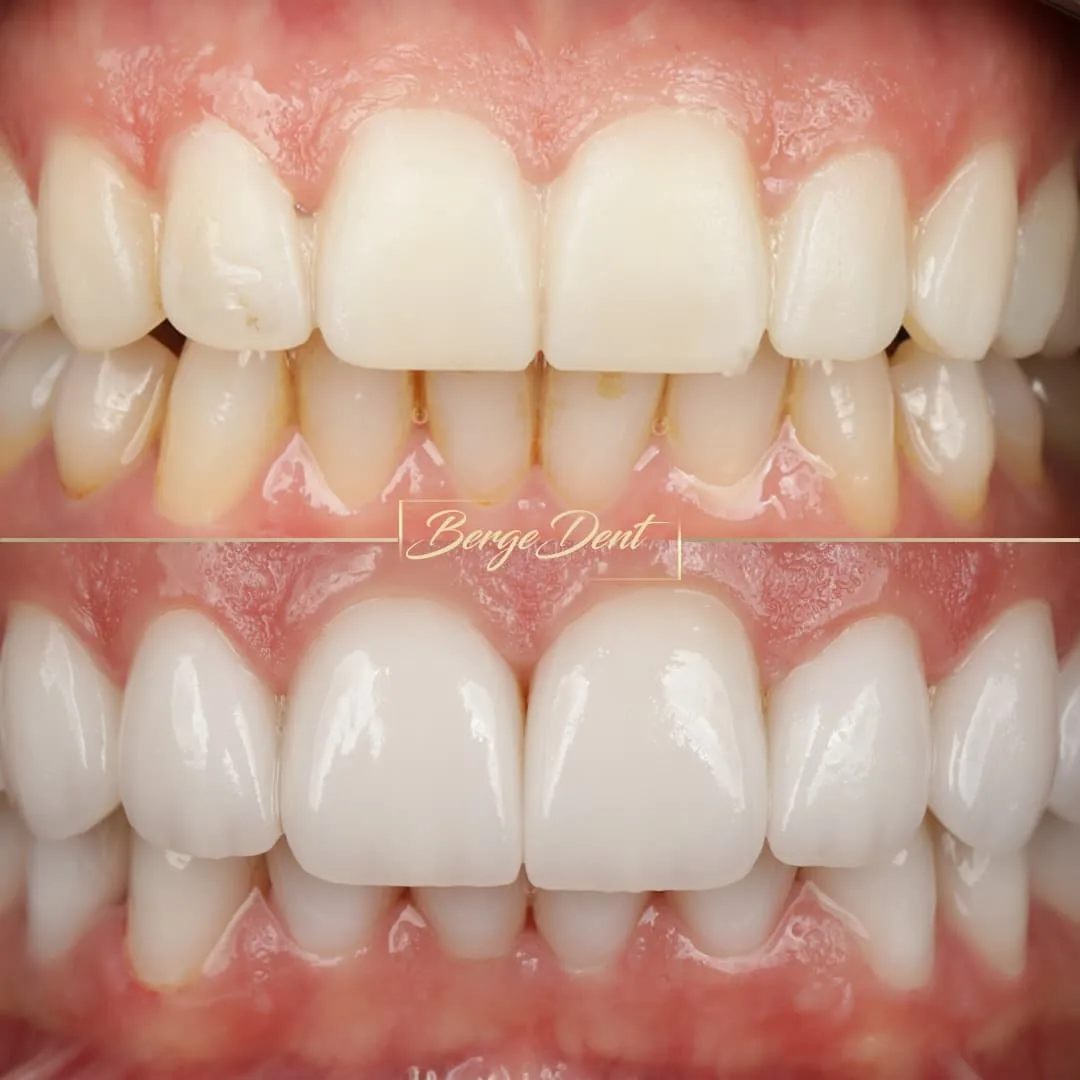
The volume of five-star reviews matters less than their substance. Look for reviews that describe the actual treatment, the timeline and the follow-up — not just a generic thumbs-up. Check how the clinic responds to negative feedback too, and don't rely on a single platform. Genuine before-and-after photos should show consistent lighting and the patient's own case, ideally with consent noted.
5. Clear, written treatment planning
A trustworthy clinic gives you a written plan based on your own X-rays or CBCT scan: the diagnosis, the proposed procedure, the materials, the number of visits, what happens if a complication arises, and an itemised, transparent cost. Be cautious of a fixed quote issued before any imaging — a real plan starts with your records, not a price list. For background on what common procedures involve, the NHS dental-treatments guide and the ADA's plain-language pages on implants and veneers are reliable references.
6. Aftercare and the warranty
Ask what happens once you fly home. A serious clinic provides written aftercare instructions, a named contact for follow-up questions, and a clear warranty stating exactly what is covered and for how long. It's also worth confirming upfront how a remake or repair would be handled if returning to Istanbul isn't straightforward for you.
Indicative costs in Turkey
Prices below are indicative and confirmed only after a clinical assessment; your final cost depends on bone quality, the number of teeth and the materials chosen.
| Treatment | Indicative price |
|---|---|
| Single dental implant | £500–900 |
| All-on-6 (per arch) | ~£6,000–9,000 |
| Full-mouth implants | £8,000–15,000 |
| E.max veneer (per tooth) | £250–280 |
| Hollywood smile (10 veneers) | from £2,500 |
For a fuller breakdown see our implant cost guide and the reasons patients choose Istanbul on why Turkey.
Candidacy and contraindications
Not everyone is a candidate for every procedure — and a clinic that tells you otherwise isn't being straight with you. Uncontrolled diabetes, heavy smoking, untreated gum disease or insufficient jawbone can all affect implant healing and may require treatment or bone grafting first. A responsible clinic will assess these factors honestly and may recommend a staged plan or an alternative approach. Always disclose your full medical history and current medications.
A short checklist before you book
- Current TEMOS or JCI accreditation certificate
- Named, registrable dentist performing your treatment
- Implant and material brands stated in writing, with warranties
- Substantive reviews across more than one platform
- A written plan based on your own imaging, with itemised costs
- Defined aftercare and a clear warranty
If you'd like an honest assessment of your options, you can request a free consultation and share your X-rays or photos for a written treatment plan — with no obligation to proceed.
This article is for general information and is not a substitute for an in-person examination. Please read our medical disclaimer.