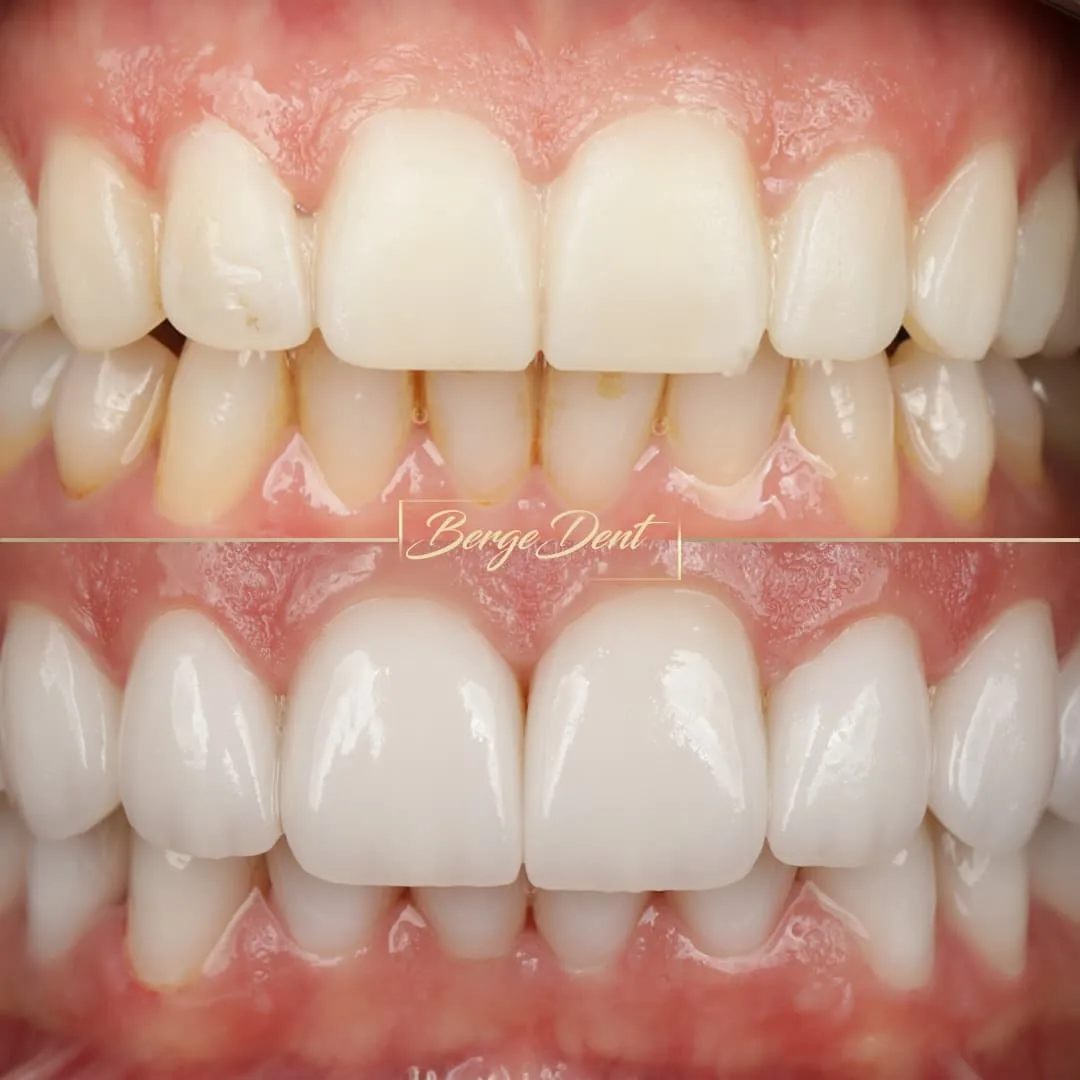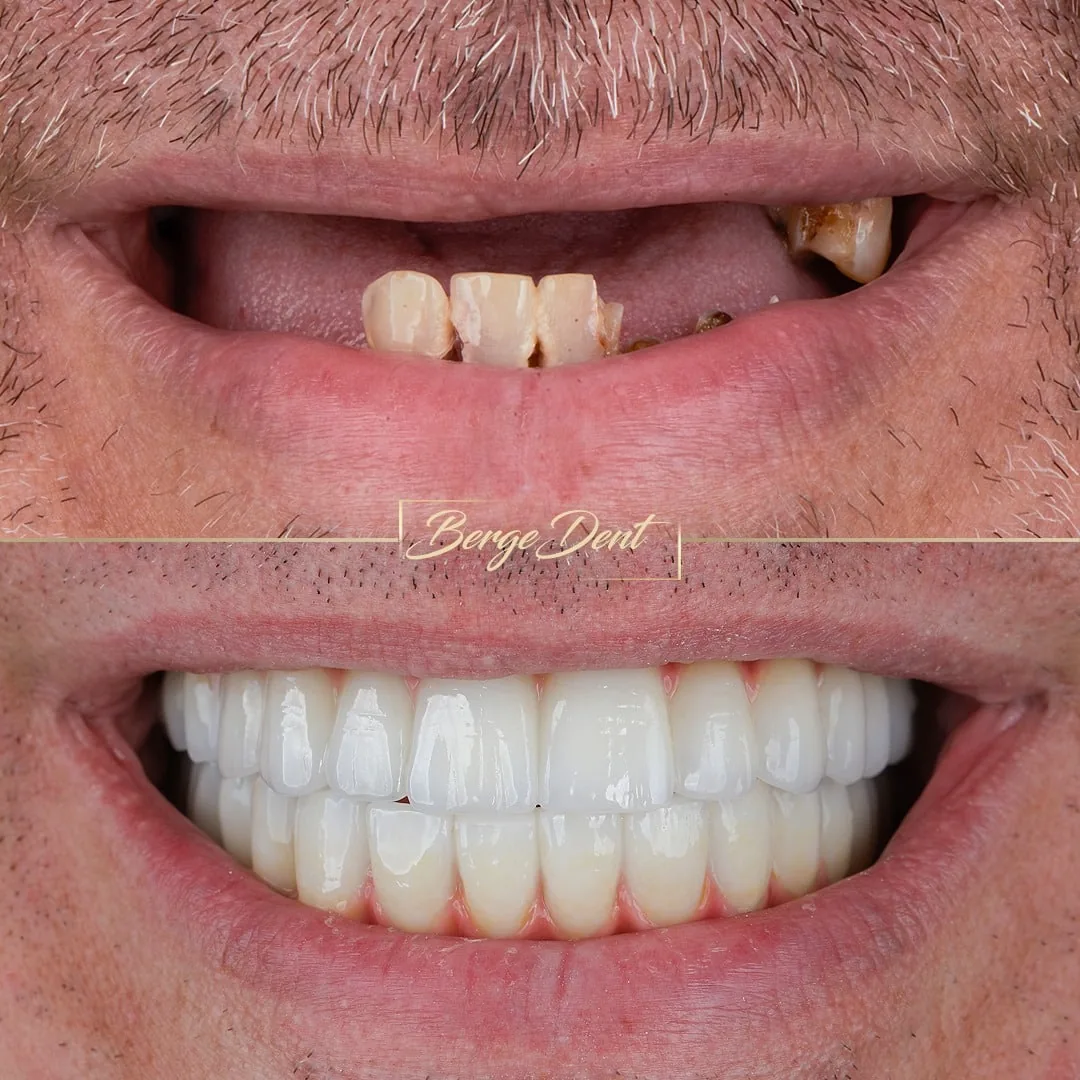
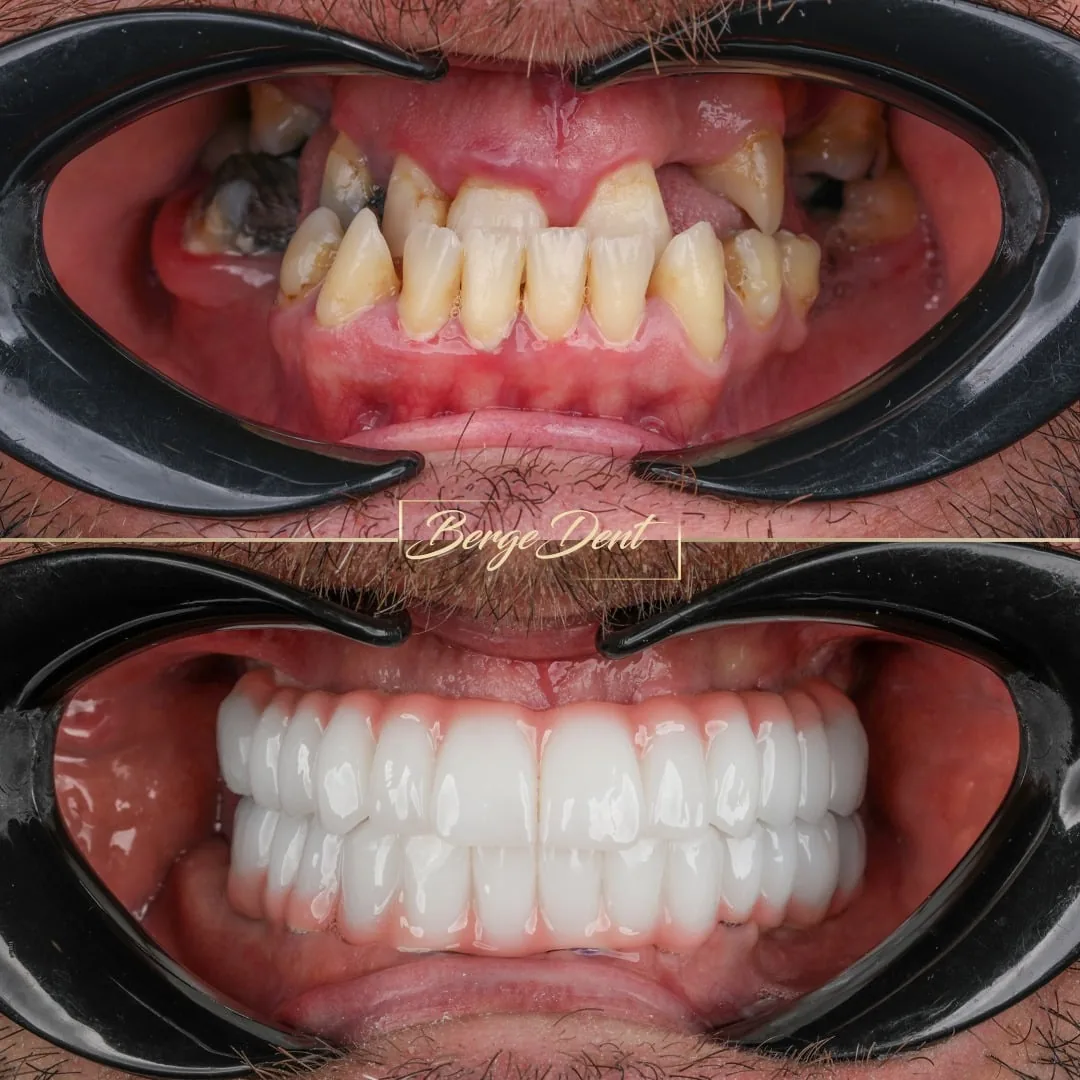
Choosing a dental clinic in Turkey safely comes down to seven checks, worked through in order: accreditation, documented experience with international patients, the implant brands used, in-clinic technology, direct communication with your treating dentist, a written aftercare policy, and verified reviews. Compare price last — and only among clinics that pass every filter above. The sections below explain what each point actually means and, crucially, how to verify it for yourself.
With hundreds of clinics marketing to overseas patients, the decision can feel overwhelming. This is a high-stakes health choice, not a holiday booking. Most UK patients who come to us have already done some research; the ones who've had the best outcomes are the ones who've followed the same checklist experienced dental travellers use. The NHS treatment-abroad checklist echoes most of these themes: confirm the provider's credentials, understand the full cost, and plan for follow-up care before you travel.
1. Accreditation and certification
Look for independent, internationally recognised accreditation — not self-declared "awards". For health-tourism dental clinics in Turkey, TEMOS (Quality in International Patient Care) is the most relevant standard; it audits patient safety, communication, and clinical processes specifically for the international-patient journey. JCI (Joint Commission International) is the broader gold standard, more common for full hospitals. Bergedent holds TEMOS accreditation, meaning our processes have been independently assessed against those criteria.
Beyond clinic-level accreditation, you can confirm that individual dentists are registered. Ask for the treating dentist's name and check that they appear in the relevant professional register. Any legitimate clinic will share this without hesitation.
2. Documented experience with international patients
There's a meaningful difference between a clinic that occasionally sees a foreign patient and one that has genuinely built systems around them: English-speaking coordinators, international payment processing, structured aftercare follow-up. Ask how long the clinic has been treating overseas patients, and how many cases like yours it handles each year. We've been treating international patients since 1989 — more than 35 years of clinical experience, which is the kind of track record that's hard to fake.
3. Implant brands used
If you're considering implants, ask specifically which brand the clinic places. Established systems such as Nobel Biocare, Straumann, Astra Tech and Osstem are widely documented and serviceable by dentists worldwide. This matters for the long term: a recent 20-year meta-analysis in PMC reports high long-term implant survival, but those figures come from documented, well-maintained systems — not unbranded fixtures. The ADA also notes that implant success depends heavily on case selection and oral health. Be wary of any clinic that won't name the brand; an unidentifiable implant can be virtually impossible for your local dentist to repair or extend. You can compare options on our dental implants in Turkey page.
4. Technology
A modern clinic should have, at a minimum: digital 3D CBCT scanning rather than only 2D X-rays, intraoral scanners, CAD/CAM milling for precise crowns, and digital smile-design software for cosmetic cases. These tools improve planning accuracy and reduce guesswork — particularly for full-arch work such as All-on-6 or full-mouth reconstruction. Ask for a recent photo or video tour of the clinic and its equipment before you book. Any clinic confident in its facilities will be happy to share one.
5. Language and communication
You should be able to speak directly with your treating dentist in your own language during the clinical consultation — not only with reception or a sales coordinator. Poor communication at this stage is the most common cause of mismatched expectations, and that's especially true for cosmetic cases like veneers, where shade, shape and tooth preparation need to be discussed precisely. Confirm whether the clinic assigns a dedicated coordinator who speaks your language for the whole journey, from first contact through to aftercare.
6. Aftercare policy
Ask what happens if a problem arises after you return home. Reputable clinics publish a written aftercare policy and explain clearly how revisions, warranty claims and follow-up imaging are handled. We provide a written implant guarantee and will coordinate with a dentist in your home country for any follow-up X-rays or checks required under it. The NHS specifically advises arranging follow-up care and keeping all records before travelling, so you can show them to a local clinician if needed.
7. Verified reviews — not just a star rating
Check several independent sources — Trustpilot, Google Maps, Facebook and dental-tourism directories — rather than relying on a single headline number. Look for reviews that mention the exact procedure you're considering, and pay attention to volume: a 4.9 average from 12 reviews tells you far less than a 4.7 from 800. Note how the clinic responds to criticism, too. That often reveals more about how it handles real problems than any five-star comment ever will.
How the seven points fit together
| Check | What to ask for |
|---|---|
| Accreditation | TEMOS / JCI certificate; dentist registration |
| Experience | Years treating international patients; case volume |
| Implant brand | Named, documented system (e.g. Straumann, Nobel) |
| Technology | CBCT, intraoral scanner, CAD/CAM |
| Communication | Direct dentist contact in your language |
| Aftercare | Written guarantee and home-country coordination |
| Reviews | Multiple platforms; procedure-specific; high volume |
The bottom line: compare price last
Price should be the final filter, not the first. Indicative UK-facing prices in Turkey range from roughly £500–900 for a single implant to £4,000–6,500 for All-on-4 and £8,000–15,000 for full-mouth treatment; veneers start around £250 per tooth. These are guides only, as your final plan depends on a clinical assessment. A £500 saving means little if an unbranded implant fails in three years and no local dentist can service it. Start with accreditation, experience and communication, then compare prices among the clinics that pass. For a transparent breakdown, see our 2026 price list and why patients choose Turkey.
If you'd like a second opinion before committing, you're welcome to share your X-rays or photos for a no-obligation clinical assessment via our free consultation.
This article is for general information and is not a substitute for an in-person examination. Please read our medical disclaimer.