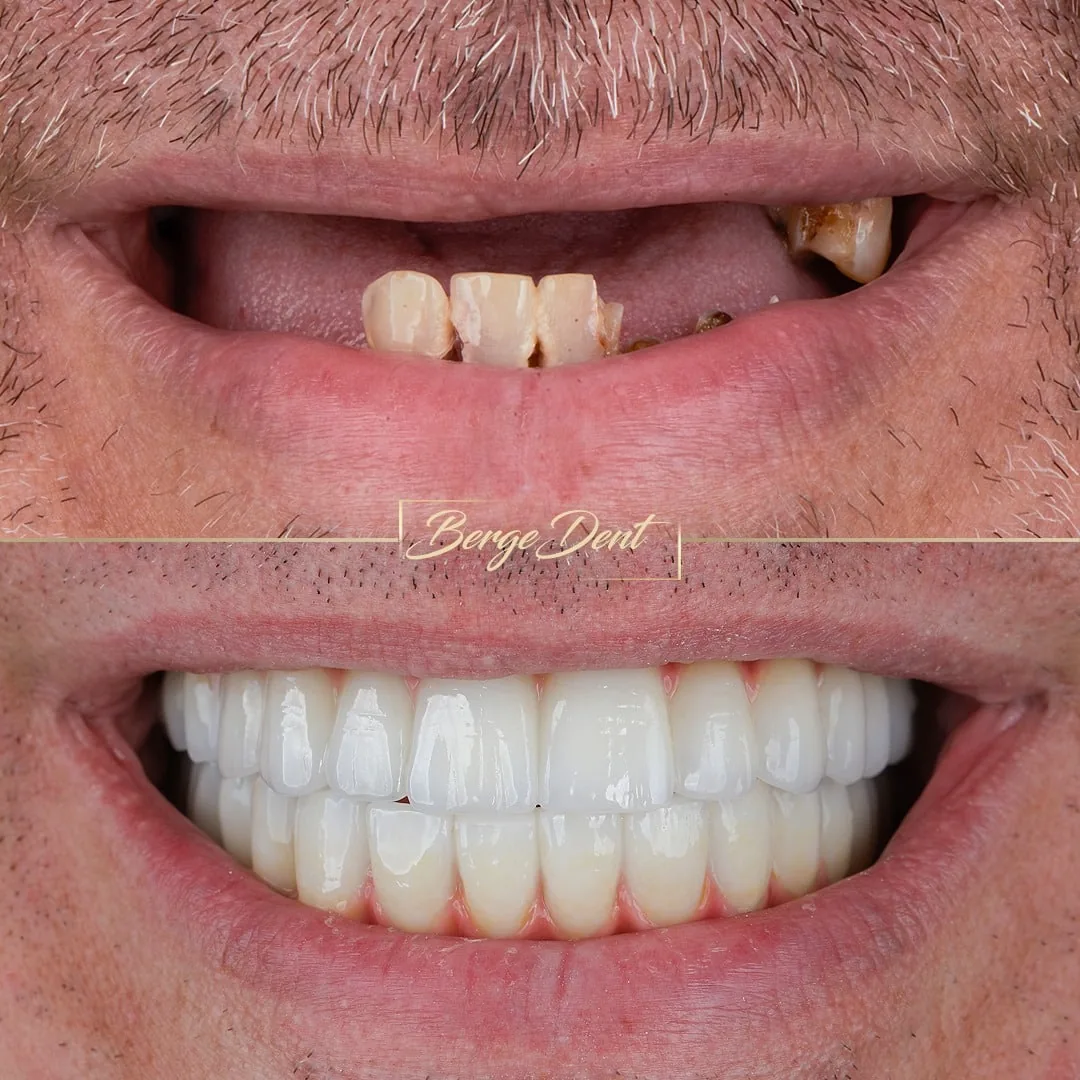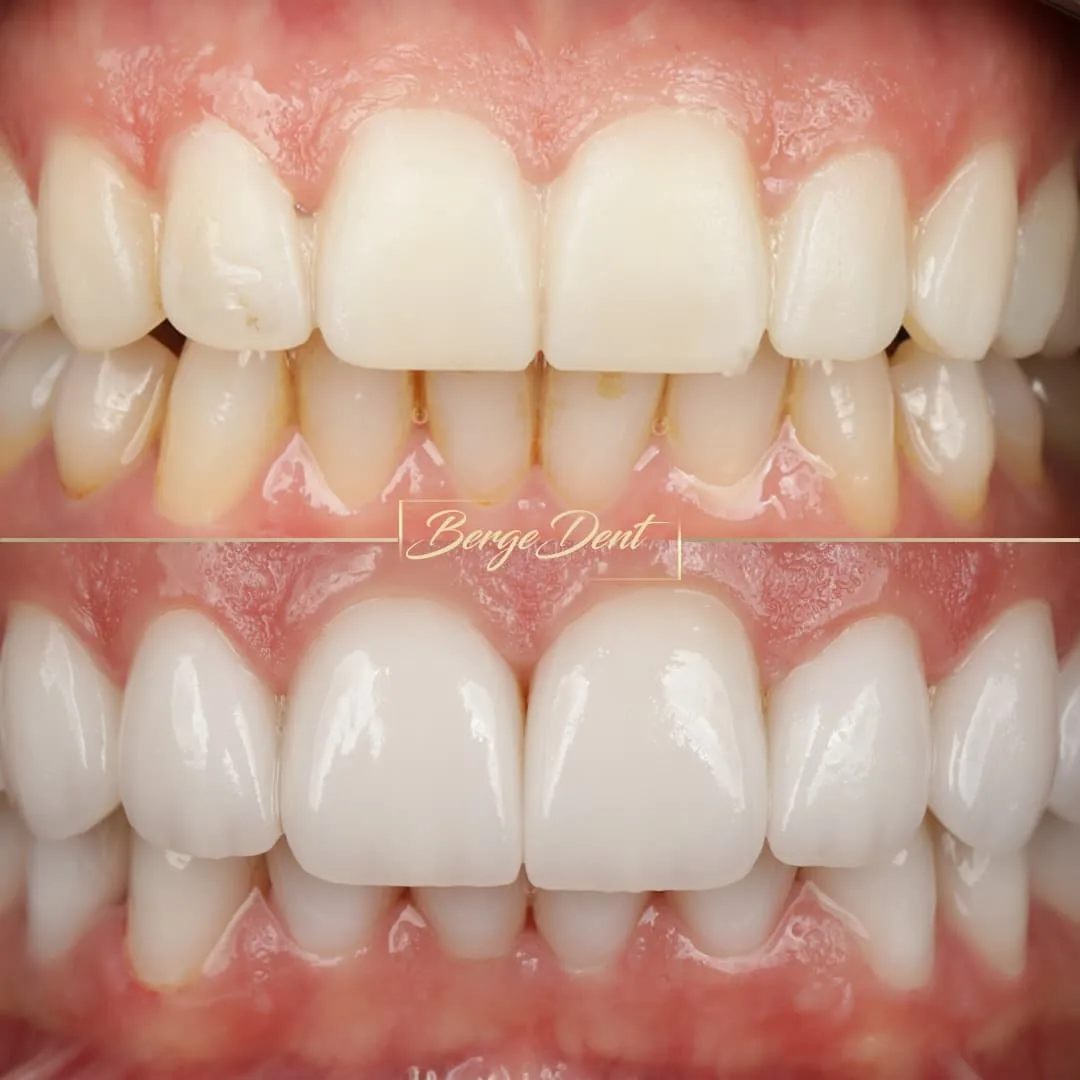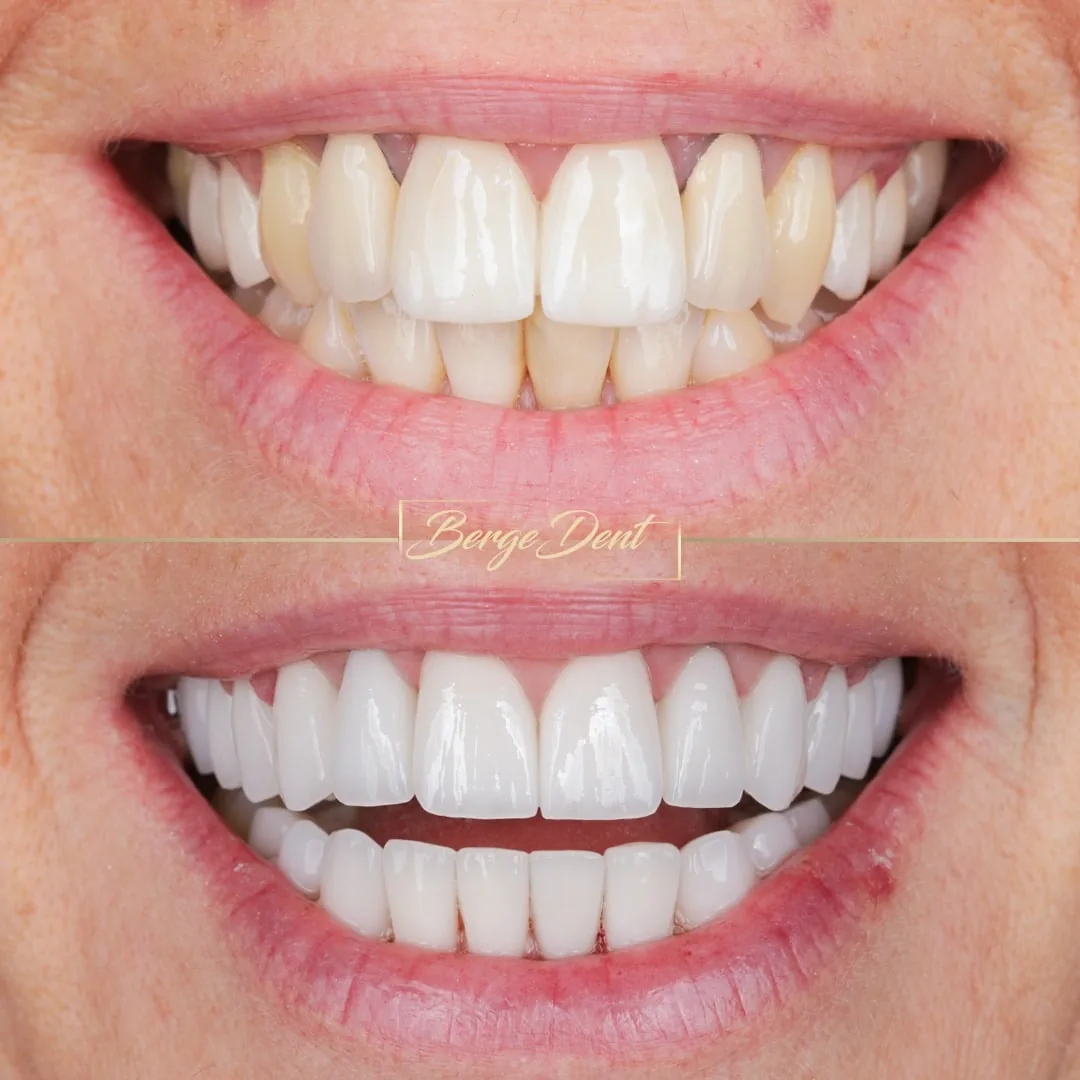
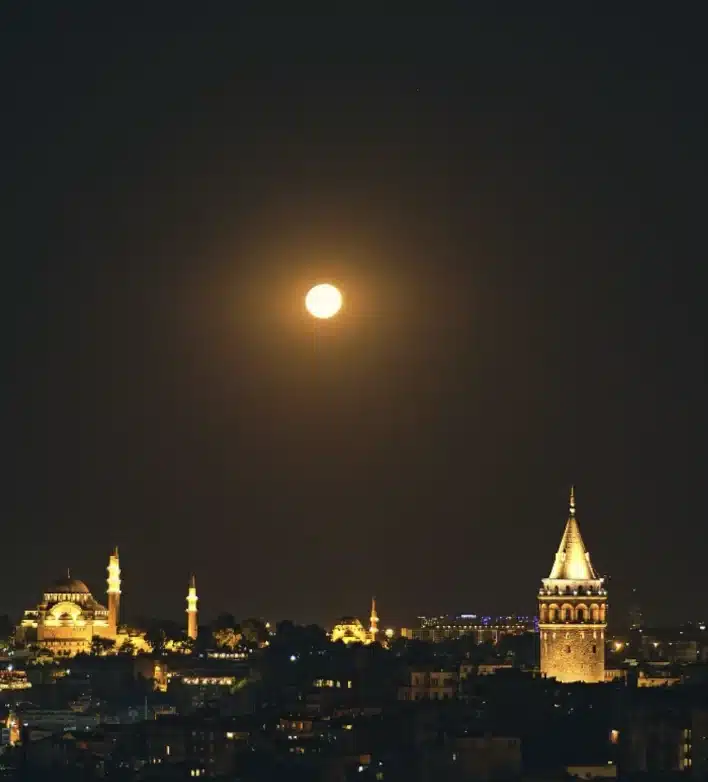
Most patients who come to us have already weighed this up carefully. They choose Turkey for three reasons: the price difference compared with the UK, US or Western Europe is substantial; the best clinics here work to genuine international standards; and Istanbul is an easy city to travel to — well connected, well organised, and far less daunting than people expect. The saving matters, of course. But the patients who get the best outcomes are the ones who chose on quality first and price second.
The cost difference is real — and it is the main driver
Dental treatment in Turkey typically costs a fraction of equivalent private care in the UK or US, because clinic overheads, lab costs and staff wages are lower while the materials and brands used are the same internationally recognised ones. As a guide, indicative prices at Bergedent Istanbul include:
| Treatment | Indicative price (GBP) |
|---|---|
| Single dental implant | £500–£900 |
| All-on-4 (per arch) | £4,000–£6,500 |
| All-on-6 (per arch) | ~£6,000–£9,000 |
| Full-mouth implant restoration | £8,000–£15,000 |
| E.max veneer (per tooth) | £250–£280 |
| Hollywood smile (from 10 veneers) | from £2,500 |
These are indicative figures — confirmed only after an examination and X-rays. A fair comparison should include flights and accommodation, but even with travel factored in, comprehensive work such as full-mouth implants or a Hollywood smile usually comes in well below UK private fees. For current details, see our price list and implant cost guide.
Expertise and clinical standards
Lower prices only make sense alongside genuine clinical quality. Turkey has a large pool of dentists, and many — particularly in Istanbul — focus heavily on implantology and cosmetic dentistry, treating high case volumes year-round. That volume matters. What you should assess, though, is not the country but the specifics: the named clinician's qualifications, their experience with your procedure, the implant systems and ceramics used, and the warranty offered.
At Bergedent we have 35+ years of practice across our Vadistanbul and Atakoy clinics, with treatment planning led by our implantology team. As with any provider, ask to see before-and-after cases, confirm who will actually perform the surgery, and check that the materials are mainstream branded systems — not unbranded alternatives.
Accreditation: how to verify quality from abroad
You can't visit a clinic in person before you book. That's exactly why independent accreditation is one of the most useful signals to look for. Bergedent Istanbul is TEMOS-accredited — an international standard for medical-tourism providers covering patient safety, clinical processes, and care for international patients.
The NHS treatment-abroad checklist recommends researching the clinic and clinician, understanding exactly what is included, and planning aftercare before you travel. Good clinics share treatment plans, clinician credentials and clear pricing in writing before you commit. If a provider is reluctant to do any of that, treat it as a warning sign.
Logistics: shorter and simpler than people expect
Istanbul is well connected to the UK, Europe and beyond, with direct flights of roughly 3–4 hours from most UK airports. Reputable clinics organise the trip end to end: airport transfers, hotel arrangements, an English-speaking patient coordinator, and a treatment schedule built around your flight dates.
Timelines depend on the procedure. Veneers or a smile makeover can often be completed in a single trip of around 5–7 days. Implants are different — they usually need two stages: placement, then a healing period (commonly several months) for osseointegration before the final teeth are fitted. Most implant patients plan two shorter visits. Same-day "teeth in a day" protocols exist for suitable cases but are not right for everyone, and the final restoration still follows after healing.
Common procedures patients travel for
- Dental implants — single teeth through to full-arch solutions like All-on-6. Modern implants have strong long-term outcomes: a 20-year meta-analysis published in PMC reports high cumulative survival, though results depend on case selection, oral hygiene and follow-up. See our dental implants in Turkey guide.
- Veneers and crowns — for chips, discolouration or worn teeth. Porcelain veneers also show favourable long-term survival in the published literature; the American Dental Association notes veneers are not reversible because some enamel is removed. More on veneers in Turkey.
For an overview of the general procedures and what they involve, the NHS dental treatments guide is a reliable starting point.
Is it right for you? Honest considerations
Treatment abroad is not the best choice for everyone — and we'd rather tell you that upfront than after you've booked flights. Aftercare and any adjustments are easier with a local dentist, so factor in how follow-up will be handled and whether your clinic offers remote support and a warranty. Patients with uncontrolled diabetes, active gum disease, heavy smoking habits or certain medications may need treatment or stabilisation first, and some cases are better staged over multiple visits. The right clinic will tell you honestly when you are — or are not — a good candidate, rather than promising a result that glosses over your medical history.
The bottom line
Turkey is a strong option for dental care when the saving comes with verifiable quality: an accredited clinic, a named and experienced clinician, mainstream materials, a clear written plan and a warranty. Judge the clinic, not the country. If you'd like to understand what your own treatment would involve, you're welcome to share photos or an X-ray for a clinical assessment.
Curious whether Turkey is the right choice for your teeth? Request a free consultation and our team will review your case and outline realistic options — no obligation.
This article is for general information and is not a substitute for a clinical examination. Please read our medical disclaimer.