Dental work in Turkey covers the same treatments you'd find at home — implants, crowns, veneers, root canals, full-mouth rehabilitation and routine care — usually at a fraction of UK or US prices, because clinic overheads, lab fees and staff costs are genuinely lower here. The savings are real. But whether it's the right decision for you depends far less on price than on the clinic's accreditation, the clinician's experience, and an honest understanding of what travelling for treatment actually involves. This guide walks through what's typically available, why patients make the journey, how to assess safety, and the questions worth asking before you book.
What dental treatments can you get in Turkey?
Most reputable Istanbul clinics offer a full range of general, restorative and cosmetic dentistry. The treatments international patients travel for most often are the ones that are either expensive at home or require several appointments that can be compressed into a single trip:
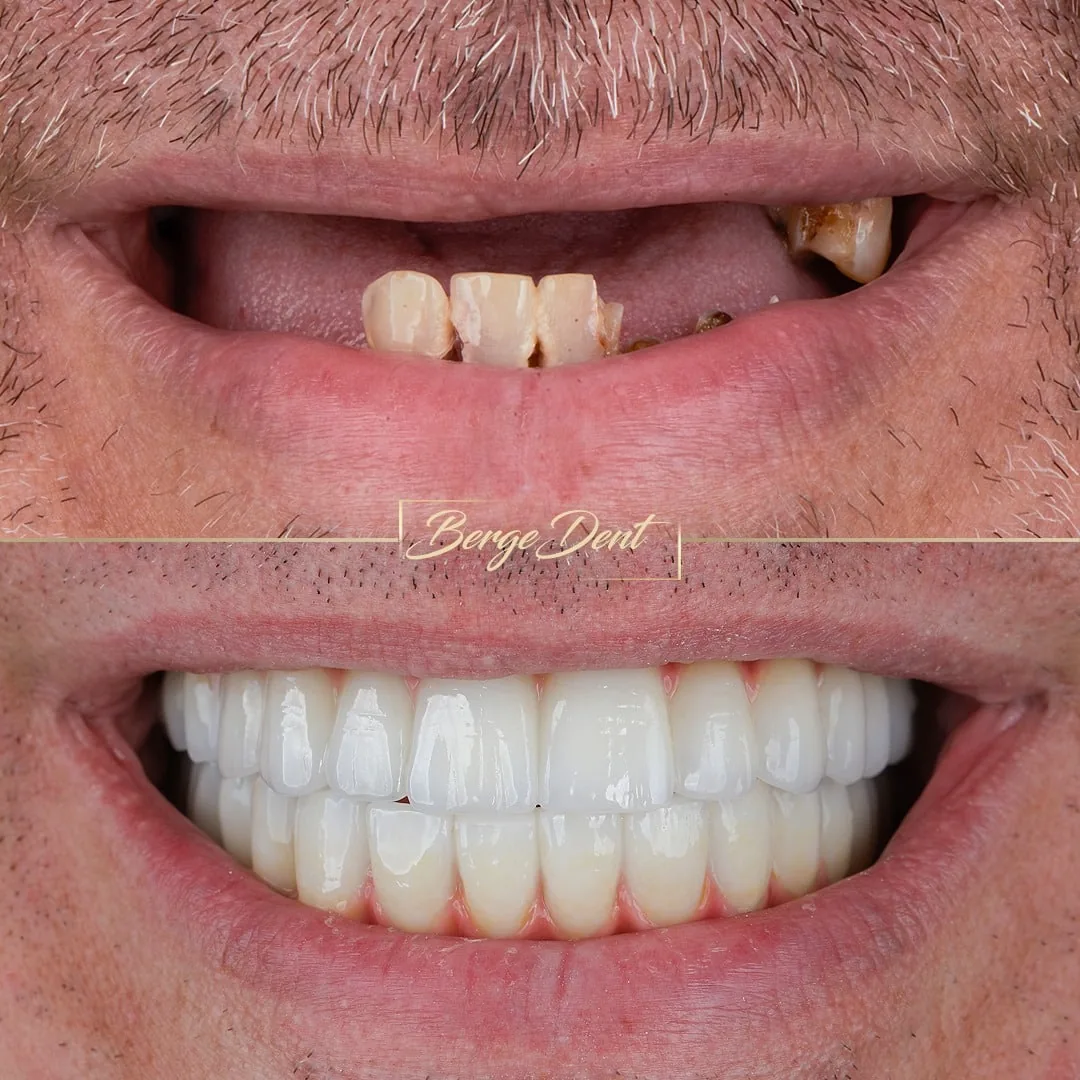
- Dental implants — titanium roots that support a crown, bridge or full arch to replace missing teeth. See our dental implants in Turkey guide.
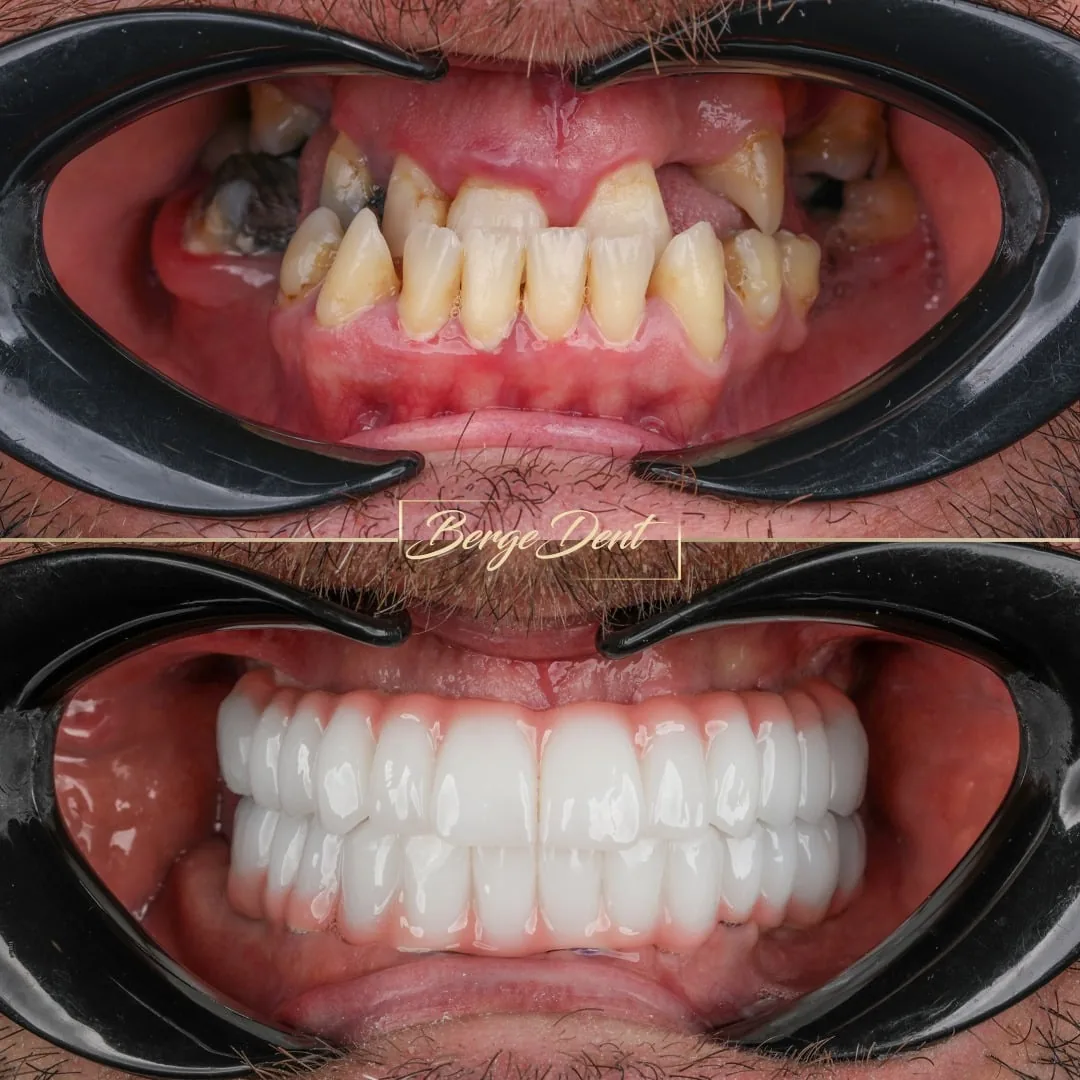
- Full-arch solutions — All-on-6 and full-mouth implant rehabilitation for patients with extensive tooth loss.
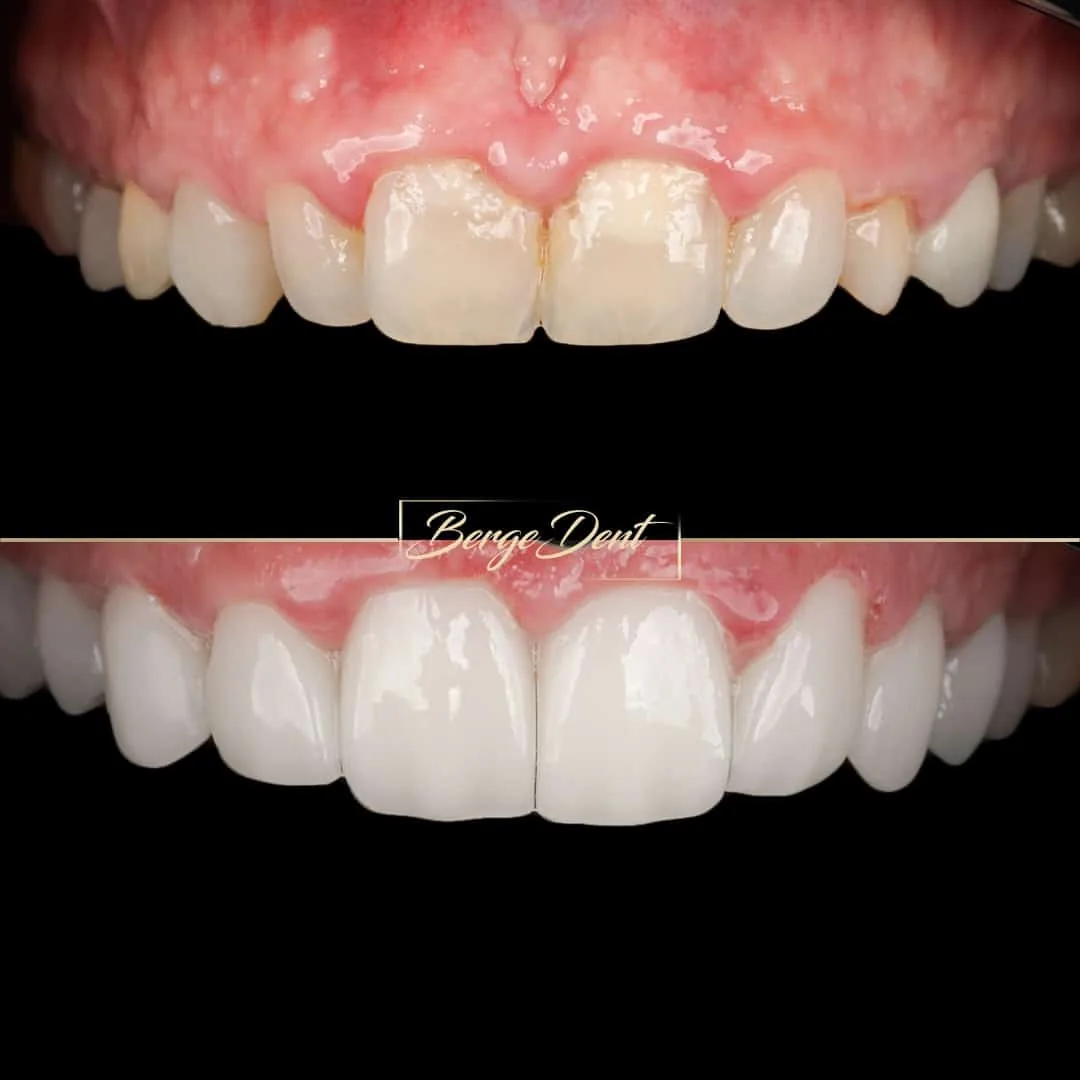
- Veneers and crowns — thin porcelain shells or full-coverage caps to restore shape, colour and function. See veneers cost.
- Smile makeovers — combined cosmetic work, sometimes marketed as a "Hollywood smile."
- Routine and preventive care — fillings, root canal treatment, extractions, cleaning and whitening.
- Orthodontics — clear aligners and braces, though these need long-term monitoring that is harder to manage from abroad.
For a plain-English description of what each procedure involves, the NHS dental treatments pages are a reliable, neutral starting point.
Why do patients travel to Turkey for dental work?
Cost is the headline reason — and it's a genuine one. The same implant or veneer work can run two to four times more in the UK, US or Western Europe, so even after flights and a hotel, most patients on larger treatment plans still save substantially. Beyond price, we hear from patients about shorter waiting times, the ability to complete multi-stage work in one or two visits, and the fact that well-established clinics are set up specifically for international care, with English-speaking coordinators, airport transfers and treatment planning sorted before you arrive.
The trade-off is logistics and continuity of care. Implants in particular need healing time between stages, and arranging follow-up if something goes wrong across borders isn't simple. A well-run clinic will be straight with you about timelines rather than promising everything in a single short trip.
Indicative prices
Prices vary with case complexity, materials and the number of teeth involved, so treat the figures below as indicative starting points rather than quotes. A clinical assessment is needed for an accurate plan.
| Treatment | Indicative price (£) |
|---|---|
| Single dental implant | 500 – 900 |
| All-on-4 (per arch) | 4,000 – 6,500 |
| All-on-6 (per arch) | 6,000 – 9,000 |
| Full-mouth implants | 8,000 – 15,000 |
| E.max porcelain veneer (per tooth) | 250 – 280 |
| Hollywood smile (10 veneers, from) | 2,500 |
See our full price list for current figures.
Is dental work in Turkey safe?
It can be very safe — when it's carried out at an accredited clinic that follows recognised sterilisation, diagnostic and documentation standards. Where those standards aren't met, the risks rise considerably. The single most useful thing you can do is verify the clinic and the clinician, rather than relying on social media or price comparison alone.
The NHS publishes a going-abroad-for-treatment checklist that applies directly here: confirm the practitioner's qualifications and registration, get the treatment plan and costs in writing, understand what aftercare and guarantees are included, and make sure your records will be shared so a dentist at home can continue your care. Allow time for healing before you fly home, and be cautious of any plan that compresses complex surgery into an unrealistically short stay.
Outcomes for the major treatments are well documented when work is done properly. A long-term meta-analysis of dental implants reported high survival over many years, though success depends on bone quality, oral hygiene and not smoking, among other factors (PMC implant survival review). Porcelain veneers show good longevity in clinical studies too, with most lasting well over a decade when properly bonded and maintained (PMC porcelain-veneer survival study). No treatment is permanent or risk-free, and any clinic worth trusting will describe expected lifespans and maintenance requirements rather than guaranteeing a result for life.
Who is a suitable candidate?
Suitability is always a clinical question. Implants, for example, require adequate bone and healthy gums; uncontrolled diabetes, heavy smoking, certain medications and active gum disease can all affect healing — and may need addressing first or rule a patient out altogether. Cosmetic work such as veneers involves removing some natural tooth structure, so it isn't reversible and isn't right for everyone. According to the ADA, implant candidacy should be assessed individually; the same applies to veneers. A proper assessment — typically including X-rays or a CT scan — should always come before any firm plan or price.
How to choose a clinic
A few practical checks separate trustworthy providers from the rest:
- Accreditation and credentials. Look for recognised international accreditation (such as TEMOS) and verify the treating dentist's qualifications and registration — not just the clinic brand.
- A written, personalised plan. You should receive a treatment plan, materials list, timeline and itemised costs in writing before committing.
- Realistic timelines. Be wary of anyone promising full-mouth implants and final crowns in a few days; quality work usually needs healing stages or staged visits.
- Aftercare and guarantees. Ask exactly what happens if a problem arises after you return home, and get any guarantee terms in writing.
- Records and continuity. Confirm the clinic will provide your records so a local dentist can follow up.
Bergedent is a TEMOS-accredited clinic in Istanbul with 35+ years of experience treating international patients, and all clinical content here is medically reviewed. You can read more about why patients choose Turkey or browse our FAQ for common questions about planning a trip.
Planning your trip
Once you have a plan, the practical side is fairly straightforward. Confirm how many visits are needed and how long each requires, arrange flights and accommodation around healing time, and clarify what's included — transfers, interpretation, aftercare. Keep copies of everything in writing, and book a check-up with your home dentist after you return.
Sources
- NHS — Dental treatments
- NHS — Going abroad for treatment checklist
- ADA MouthHealthy — Implants
- ADA MouthHealthy — Veneers
- PMC — Dental implant survival meta-analysis
- PMC — Porcelain-veneer survival study
If you'd like to know which treatments suit your case and what they would cost, you can request a free, no-obligation consultation and send your X-rays or photos for a personalised assessment.
This article is for general information and is not a substitute for an in-person clinical examination. Please read our medical disclaimer.