
A dental implant is a small titanium (or sometimes zirconia) post placed into the jawbone to serve as an artificial tooth root, supporting a crown, bridge or denture. Most healthy adults with sufficient jawbone are good candidates — but implants aren't right for everyone, and they need proper planning rather than a quick-fix approach. Below we answer the questions our patients ask us most often, with honest, evidence-based information.
How do dental implants work?
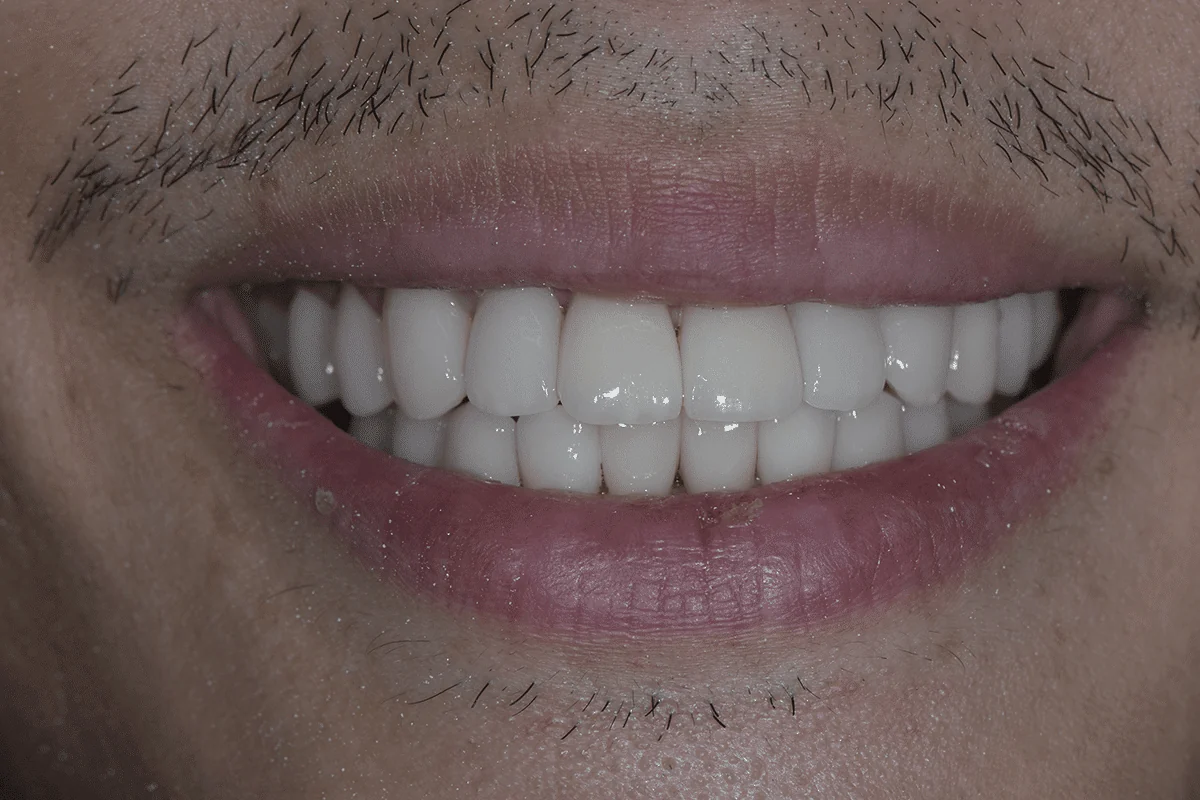
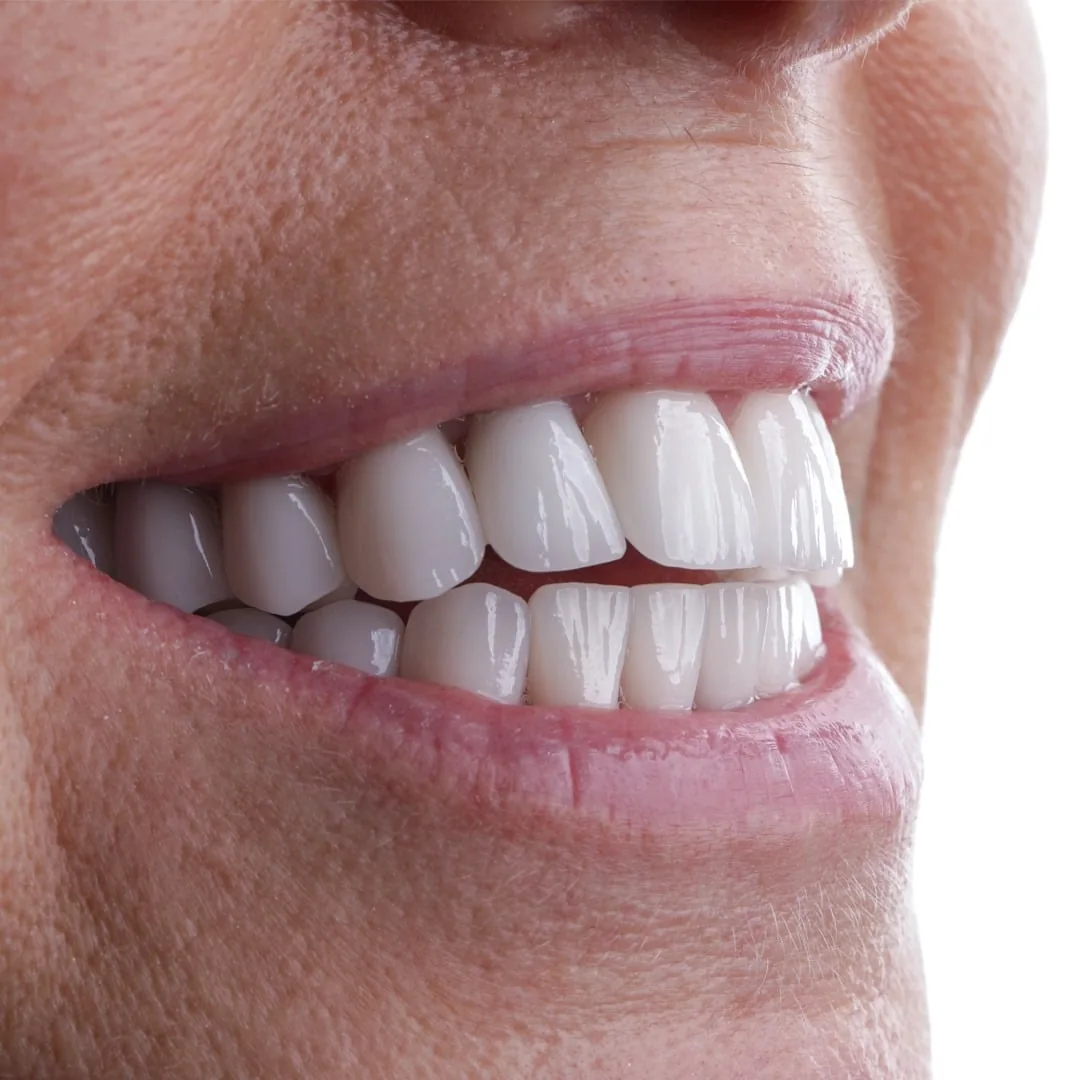
Once the implant is positioned in the jawbone, it gradually bonds with the surrounding bone in a process called osseointegration. That typically takes several weeks to a few months. When the implant is stable, we fit an abutment and a custom crown on top to restore the visible tooth — the end result looks and functions much like a natural one. According to the American Dental Association, implants can replace a single tooth, several teeth, or an entire arch.
Am I a candidate for dental implants?
There's a common misconception that any adult can simply walk in and have implants. In reality, candidacy turns on bone volume, gum health and overall medical status — not age alone. Good candidates are typically adults who:
- have finished jaw growth (we generally avoid implants in growing adolescents);
- have adequate, healthy jawbone (or are suitable for bone grafting);
- have healthy gums and are committed to good oral hygiene;
- do not smoke, or are willing to stop, as smoking raises the risk of failure.
Certain conditions call for extra caution — uncontrolled diabetes, active gum disease, heavy smoking, specific bone-thinning medications (such as some bisphosphonates), head and neck radiotherapy, and anything that impairs healing. None of these is automatically an absolute barrier, but each one must be assessed by a clinician. A full examination with 3D imaging is the only reliable way to confirm whether implants are right for you.
Is the implant procedure painful?
The placement itself is carried out under local anaesthetic, so you shouldn't feel pain during surgery. Sedation is available for anxious patients, too. That said, it would be misleading to call the process entirely painless. Mild to moderate swelling, bruising and tenderness for a few days afterwards are normal — and usually well managed with over-the-counter pain relief. Most patients tell us it's comparable to a routine tooth extraction, which reassures many people.
How long does treatment take?
Timing varies with your bone, the number of implants, and whether grafting is needed:
- Implant placement: often a single appointment per visit.
- Healing / osseointegration: typically around 3 to 6 months.
- Fitting the final crown or bridge: a short return visit once healing is confirmed.
This is why many of our international patients plan two trips. In some cases, immediate-load or same-day temporary teeth are possible — but the final restoration is usually fitted only after the implant has fully integrated.
How long do implants last, and what is the success rate?
Implants are designed to be a long-term solution, though no dental work carries a guaranteed lifetime. How long yours last depends on bone quality, oral hygiene, whether you smoke, and how regularly you attend check-ups. A 20-year meta-analysis published on PubMed Central reported high long-term implant survival, with most studies showing 10-year survival above 90%. Worth bearing in mind: the crown on top may need replacing sooner than the implant itself. With good care, many implants last well over a decade — often considerably longer.
Can implants fail?
Yes, though failure is relatively uncommon. The main causes are infection (peri-implantitis), poor oral hygiene, smoking, insufficient bone integration and uncontrolled medical conditions. Most problems are preventable with consistent hygiene and routine reviews. When issues are caught early, they can often be managed before they become serious.
What materials are implants made from?
The vast majority of implants are titanium, which has a long, well-established track record of biocompatibility in both medical and dental settings. Metal-free zirconia implants are also available and may suit patients who prefer a ceramic option. We'll recommend the most appropriate material based on your individual case.
Implants vs. dentures and bridges
Each option involves trade-offs, and the right choice depends on your situation:
| Option | Key points |
|---|---|
| Dentures | Removable and lower cost, but can move, may need relining as bone shrinks, and can affect taste and comfort. |
| Bridges | Fixed and quicker, but the neighbouring teeth must be reshaped to act as supports. |
| Implants | Standalone support that does not damage adjacent teeth and helps preserve jawbone; needs surgery and a longer timeline. |
For patients missing all their teeth, multiple implants can support a fixed bridge or a secured (clip-on) denture. Techniques such as All-on-6 use as few as four to six implants per jaw to anchor a full arch, and a full-mouth restoration can rebuild both arches.
How much do dental implants cost?
Costs vary with the number of implants, materials, and whether grafting is required. As an indicative guide at our Istanbul clinics, a single implant is around £500–£900, while full-arch solutions such as All-on-4 are roughly £4,000–£6,500. You can see current figures on our implant cost page. Implants cost more upfront than dentures — but as a durable, long-term solution, many patients find them cost-effective over time.
How do I care for my implants?
Care for your implants much as you would natural teeth: brush twice daily, clean between the teeth, avoid smoking, and keep up with regular dental check-ups. The NHS emphasises that good daily hygiene is essential to keep the gums and bone around an implant healthy — and we couldn't agree more.
If you're considering treatment abroad, you can request a free consultation and share your X-ray or photos for a personalised assessment from our team.
This article is for general information and is not a substitute for an in-person dental assessment. Please read our medical disclaimer.