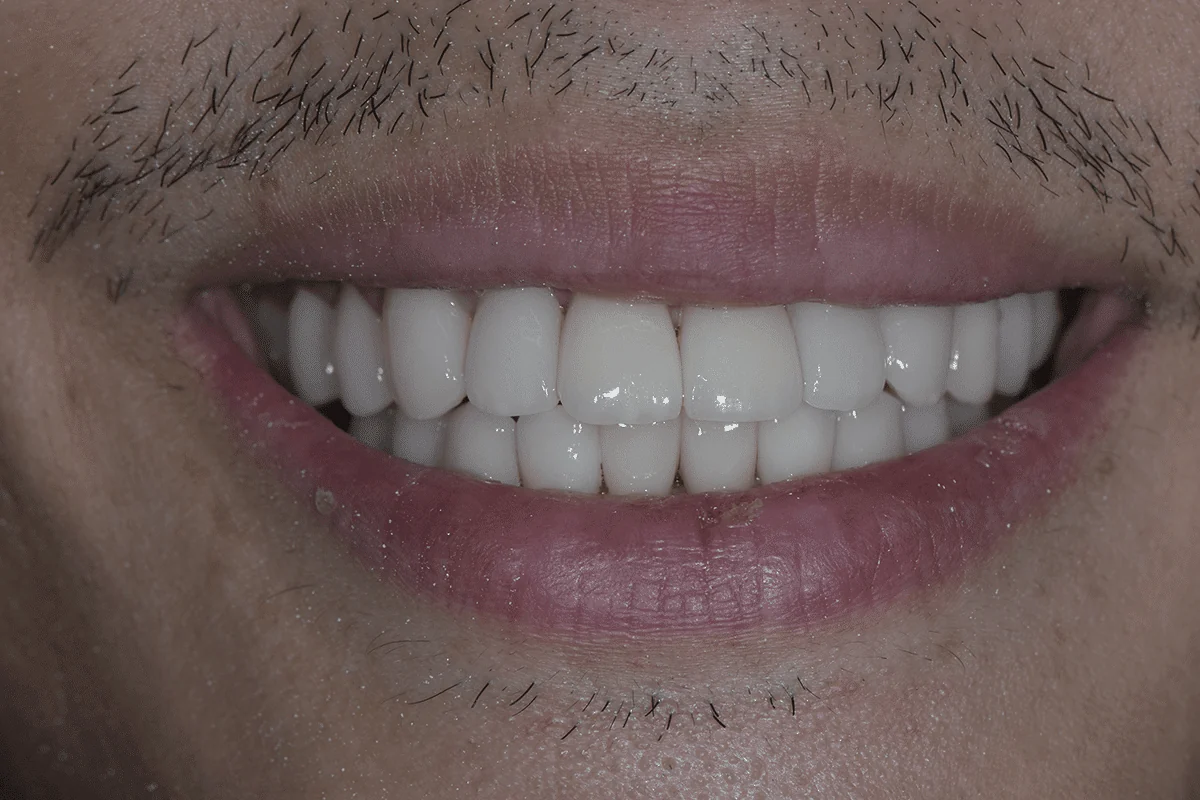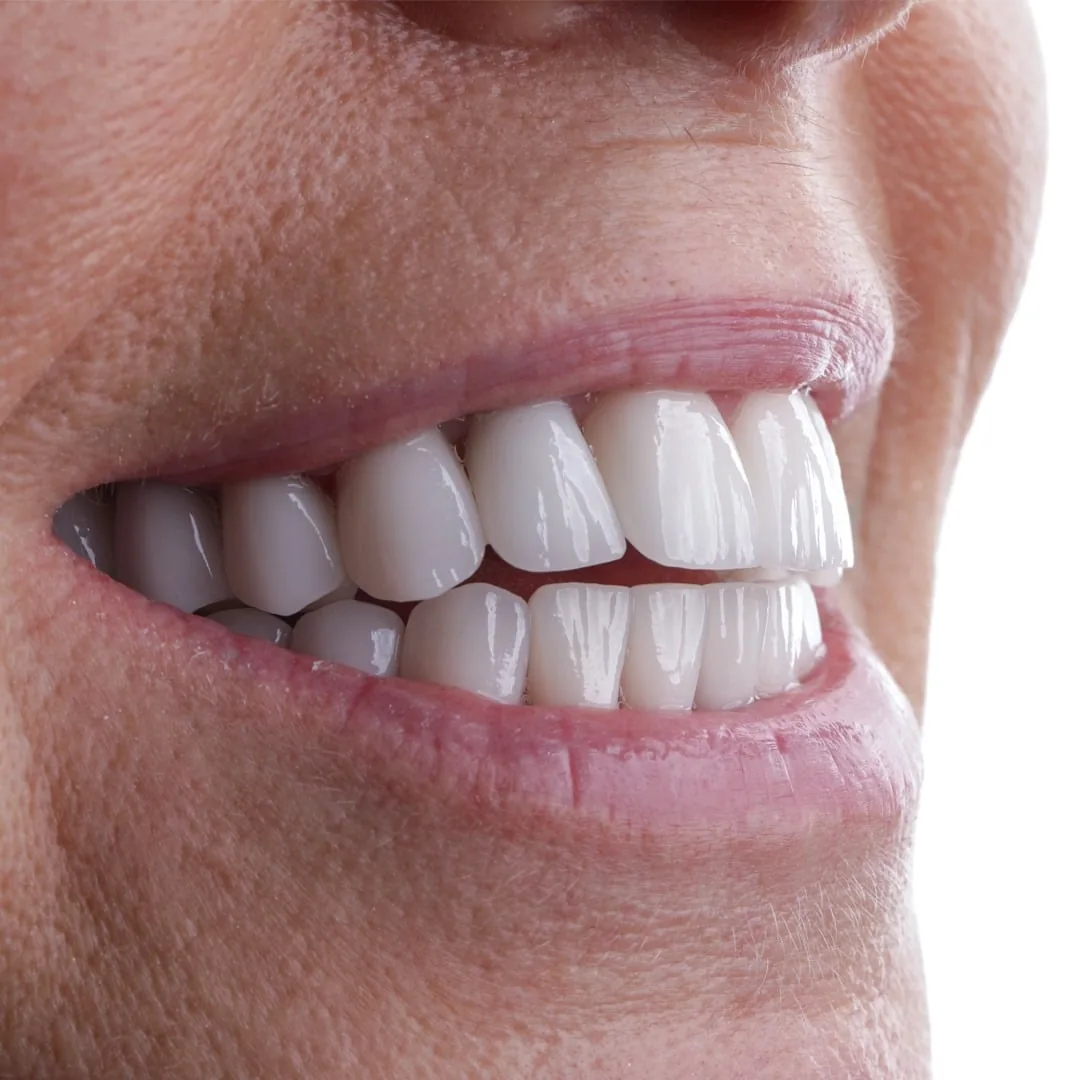
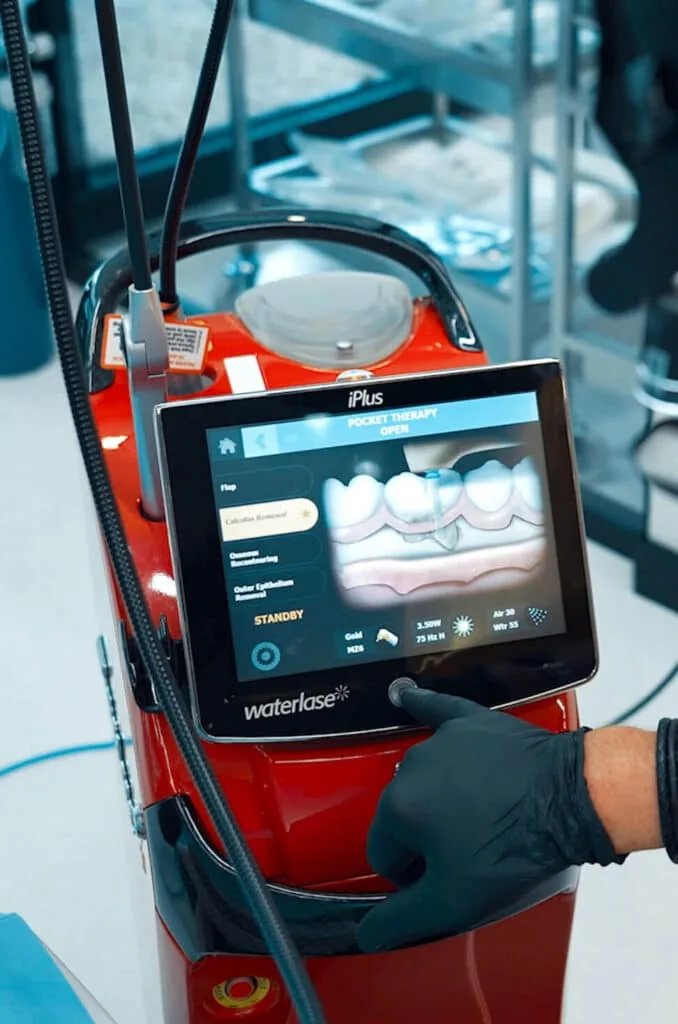
Navigation-guided dental implant surgery combines a 3D scan of your jaw with computer software to plan exactly where each implant should go — and then keeps the surgeon on that planned path in real time during the operation. The result is more accurate placement, a less invasive procedure for many patients, and a technique that properly respects nearby nerves and sinuses. It doesn't change whether an implant will integrate with your bone, but it makes placement considerably more predictable when used by a trained clinician.
What is guided (navigation) implant surgery?
Conventional implant placement relies heavily on the surgeon's hand-eye judgement in the moment. Guided implant surgery adds a digital planning step before any drilling begins. A cone-beam CT — essentially a 3D X-ray — shows us the true height, width and density of your jawbone, along with critical anatomy such as the maxillary sinuses and the inferior alveolar nerve running through your lower jaw. From there, each implant's position, angle and depth is planned in software before you sit in the chair.
There are two main ways that plan is then transferred to your mouth:
- Static guidance (surgical guide): a custom 3D-printed template clips over your teeth or gum and physically directs the drill along the planned path.
- Dynamic navigation: motion-tracking cameras follow the drill and your jaw in real time, displaying live, on-screen guidance, similar in principle to satellite navigation in a car. This lets the surgeon adjust during the procedure rather than being fixed to a printed guide.
Both are recognised digital approaches to dental implant treatment. The right choice depends on the case, the number of implants and the clinician's experience.
How the process works, step by step
- 1. 3D imaging: a cone-beam CT scan captures your jaw in three dimensions; an intraoral scan captures your teeth and gums digitally.
- 2. Digital planning: the two scans are merged so the dentist can see bone, soft tissue and teeth together, then place each virtual implant in the densest, safest bone, away from nerves and sinuses.
- 3. Surgery: on the day, the system is calibrated to your mouth. With static guidance the printed guide is fitted; with dynamic navigation the cameras track the drill against the plan, showing entry point, angle and depth on screen.
- 4. Restoration: after a healing period (commonly a few months while the implant integrates), the final crown, bridge or denture is fitted. In selected cases a temporary tooth can be placed sooner.
The benefits, and what the evidence actually supports
The main advantage is accuracy. Because placement is planned and verified digitally, the implant tends to land far closer to its intended position. And because the entry point is known in advance, many guided cases can be done flapless — meaning the gum isn't cut open. This often reduces bleeding, swelling and recovery time compared with open surgery, and can remove the need for stitches altogether.
We'll be honest about what guidance does and doesn't do, though. It improves placement precision; it's not, on its own, a guarantee of long-term success. Modern dental implants have strong long-term outcomes regardless of technique: a 2024 meta-analysis reported survival of around 94 percent at 10 years and roughly 90 percent at 20 years (PMC). Long-term success still depends most on your bone quality, your gum health, controlling habits like smoking, and good oral hygiene at home — as the American Dental Association notes.
| Feature | Guided / navigation | Conventional freehand |
|---|---|---|
| Pre-surgical 3D planning | Yes, every implant mapped | Limited; relies on chairside judgement |
| Flapless option | Often possible | Usually requires a gum incision |
| Typical recovery | Frequently quicker, less swelling | May involve stitches and more swelling |
| Best suited to | Complex anatomy, multiple or angled implants | Straightforward single-site cases |
Who is a good candidate?
Most adults who are suitable for implants in general will be suitable for guided placement. It's especially useful where anatomy is tight, where several implants are needed, or where full-arch solutions such as All-on-6 or full-mouth implants are planned. You'll generally need enough healthy jawbone — or a plan to rebuild it with grafting — and healthy gums before we proceed.
Guidance doesn't override normal contraindications. Implant treatment may need to be delayed or modified for uncontrolled diabetes, active gum disease, heavy smoking, certain bone-affecting medications, or in patients still growing. These factors should be assessed in person before any surgery is recommended. Guided surgery also can't create bone that isn't there; if volume is insufficient, grafting or sinus lifting may still be required alongside it.
Choosing a clinic for guided implants
Navigation and guided systems are only as good as the team using them. Most UK patients ask us what to look for when comparing clinics — and our honest answer is: genuine investment in 3D imaging and digital planning, clinicians with real experience of guided workflows specifically, transparent treatment plans, and clear aftercare arrangements from the start. If you're travelling for treatment, the NHS recommends checking the clinician's qualifications, what is included in the fee, and your follow-up and complication arrangements before you book (NHS treatment abroad checklist). You can read more about our clinic and accreditation on why patients choose Turkey.
What does it cost?
Guided technology can add to the up-front cost, though many clinics include it within the implant fee. As an indicative guide, a single implant at our Istanbul clinics typically ranges from £500 to £900, while full-arch options such as All-on-6 are roughly £6,000 to £9,000 per arch and full-mouth reconstruction £8,000 to £15,000. These are indicative figures and your final plan depends on imaging and an in-person assessment; see our full price list for details.
Frequently asked questions
Is guided implant surgery painful?
The procedure is carried out under local anaesthetic, so you shouldn't feel pain during surgery. Flapless guided cases often involve less post-operative swelling and discomfort, but some tenderness afterwards is normal and is usually managed with simple pain relief.
Are dental implants permanent?
Implants are designed to be a long-lasting tooth replacement, and many last for decades — but they're not guaranteed for life. Their longevity depends on bone health, gum care and avoiding habits like smoking. The crown or bridge on top may need replacing over time.
Is the navigation technology safe?
Used by a trained clinician, digital planning and navigation are designed to make placement safer by mapping nerves, sinuses and bone density in advance. The system supports the surgeon's judgement; it doesn't replace it.
If you'd like to know whether guided implant treatment is right for you, you can request a free consultation and share your X-ray for a clinical assessment.
This article is for general information and is not a substitute for personal dental advice. Please read our medical disclaimer.