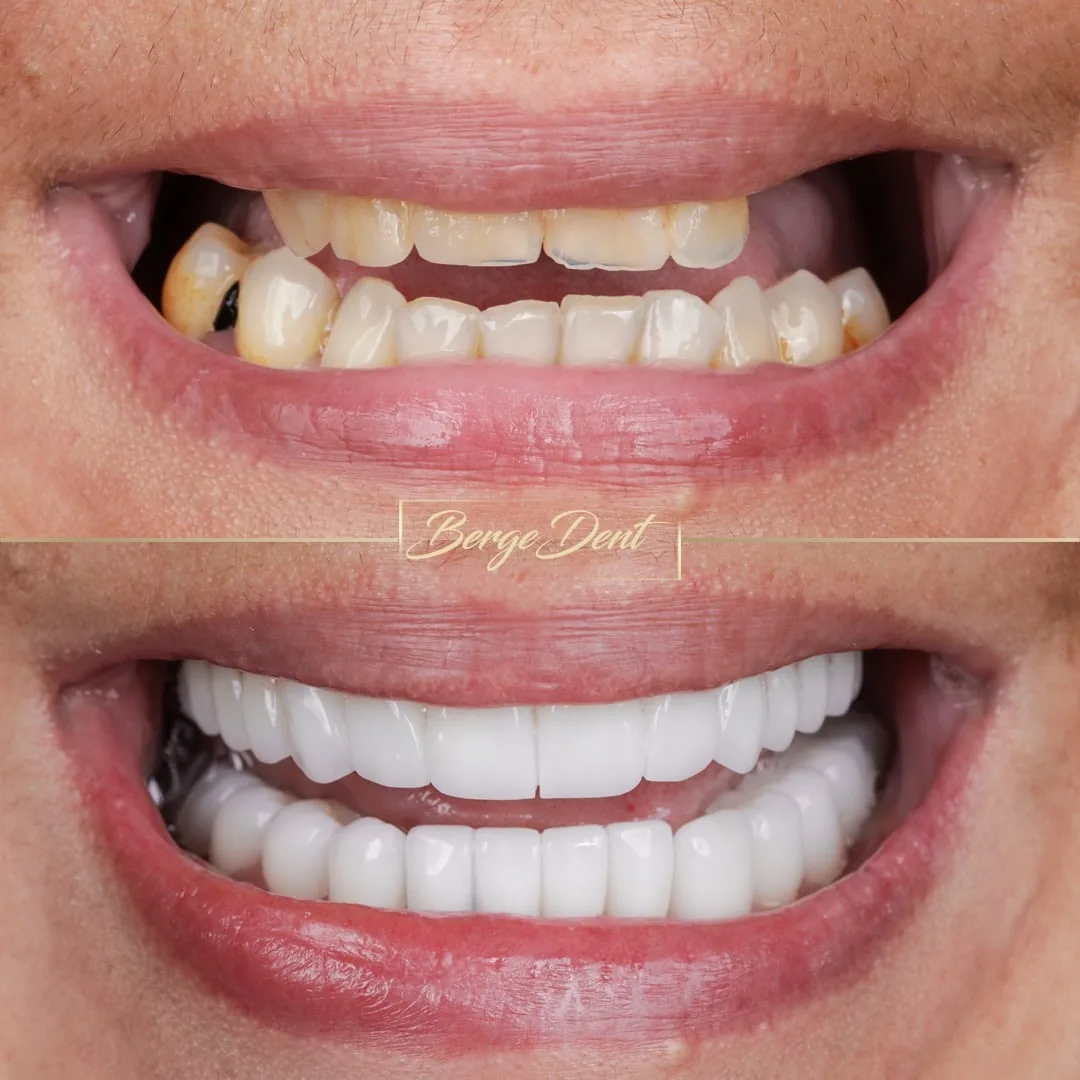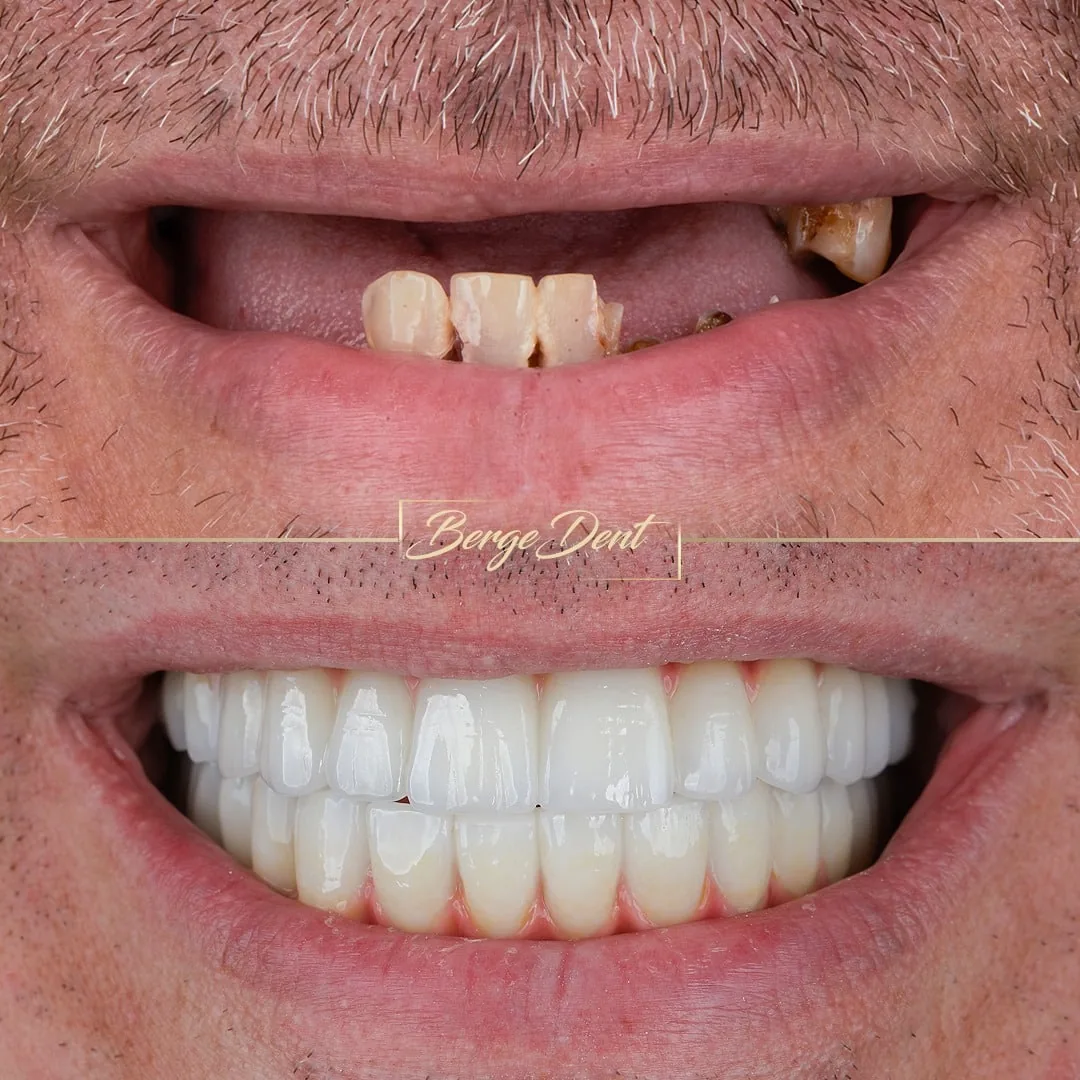
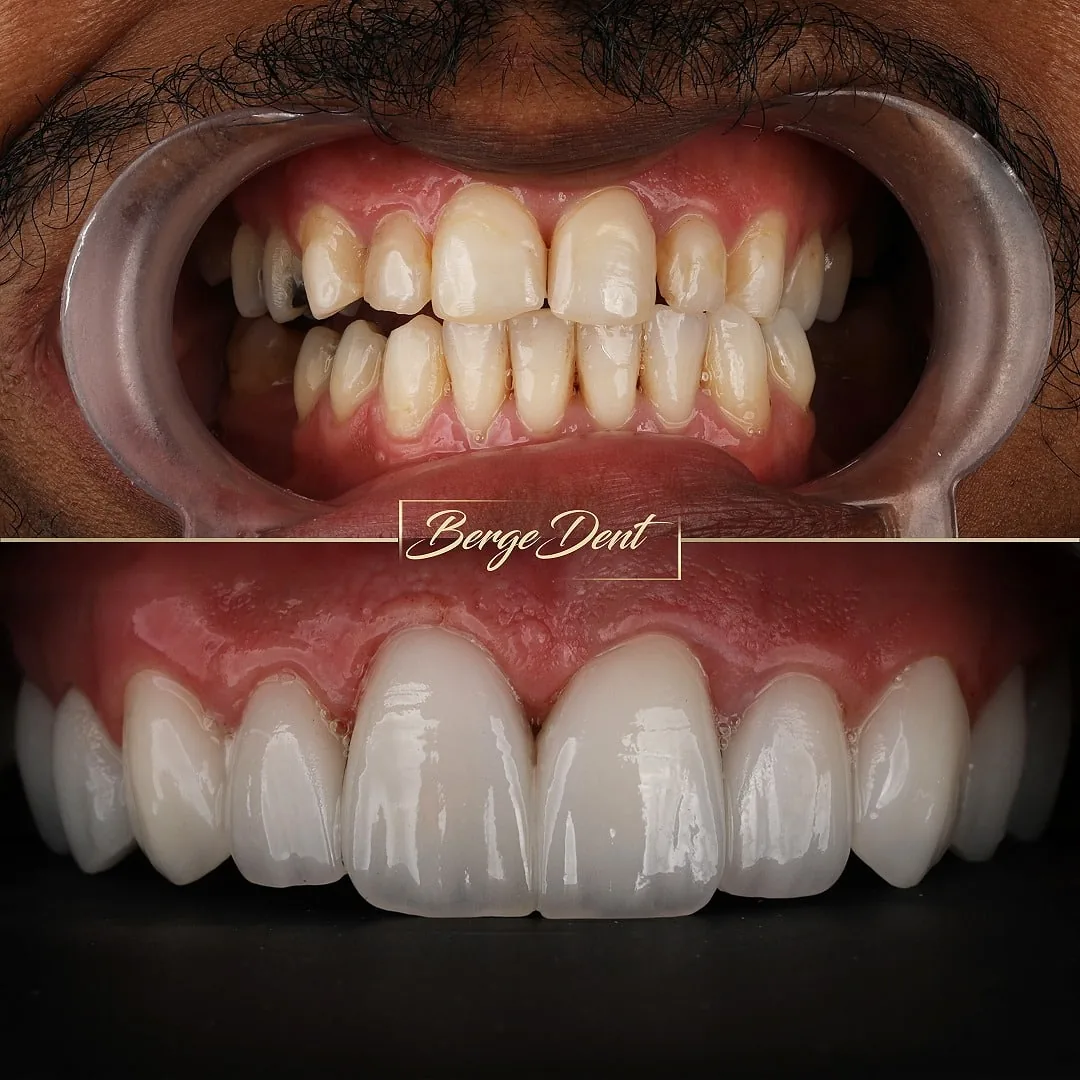
Travelling to Turkey for dental work can be genuinely excellent value — but the mistakes that trip people up are rarely about dentistry itself. They're about planning. Booking flights before you know how many days the treatment actually takes, underestimating recovery time, picking a clinic on headline price alone, then struggling to find local aftercare once you're home. Get the dental side right first and build the trip around it, and the whole experience tends to run smoothly. Here are the ten mistakes we see most often among UK, US and EU patients, and how to sidestep each one.
1. Booking flights before your treatment plan is confirmed
This is the most common — and most expensive — mistake. Patients lock in non-refundable flights and hotels before they know how many days the work actually takes. A single crown or a straightforward set of veneers might need only a short visit. Implants are a different matter: placement first, then a healing period, then the final restoration. Send recent photos or an X-ray for a remote assessment and get a written, dated treatment plan before you commit to travel dates. Ask specifically how many appointments are needed and how many nights you should allow. It takes a day or two longer to plan — but it can save a flight rebooking fee and a lot of stress.
2. Underestimating how long treatment really takes
We often hear patients say they expected everything to be finished within a long weekend. For some treatments, that's perfectly realistic. For implants, it isn't. The bone needs time to integrate with the implant before permanent teeth can go on — that's biology, not bureaucracy. According to the American Dental Association, dental implant treatment is typically completed over several months as the implant fuses with the jawbone. That can mean a second trip a few months later, or a longer single stay depending on the case. Build the real timeline into your plans rather than hoping for an instant result. For an overview of staging and timing, see our guide to dental implants in Turkey.
3. Choosing a clinic on price alone
A low headline figure is not the same as good value. Before you book anywhere, use the NHS treatment-abroad checklist: confirm accreditation, who will actually perform the work, which materials are used, and what the clinic's process is if something goes wrong after you leave. Ask whether the clinic holds international accreditation — TEMOS, for instance — and whether you'll be treated by a qualified dentist or implantologist rather than a technician. Make sure the quote is itemised. A price that quietly excludes the final crown, the abutment or any revisit isn't really cheaper; it just looks that way until you're already in the chair.
4. Ignoring your own dental health before you fly
Active gum disease, untreated decay or poorly controlled medical conditions can affect whether you're a suitable candidate at all — particularly for implants. Smoking and conditions such as uncontrolled diabetes can slow healing and raise the risk of complications. Have a check-up at home before you travel, share any relevant medical history with the clinic honestly, and don't downplay medication or habits. A good clinic will tell you if preliminary treatment — a deep clean, say, or time for an extraction to heal — needs to happen before the main work can start. That conversation is far better had before you've booked a flight.
5. Cramming sightseeing around procedure days
Istanbul is a brilliant city and it's tempting to treat the whole trip as a holiday with a dental appointment squeezed in somewhere. In our experience, this is fine — right up until the day after surgery. After extractions or implant placement you may have swelling, some mild bleeding and discomfort, and strenuous activity, strong sun and alcohol are best avoided. Plan the days immediately after a procedure to be genuinely low-key. Save the walking tours, the hammam, the Bosphorus day trips for later in the stay once you're comfortable and the initial healing has settled.
6. Forgetting about the soft healing diet
Turkish food is one of the real pleasures of being in Istanbul — but crusty bread, nuts, kebabs and scalding-hot tea are not what you want in the first days after dental surgery. You'll typically be advised to stick to soft, lukewarm foods while the tissues settle. That's usually a 24–72 hour window, after which you can ease back into richer meals as your clinician advises. It sounds obvious, but patients do get caught out — so plan for easy, gentle options early on and ask your dentist for procedure-specific dietary guidance rather than guessing.
7. Not planning for follow-up and a second visit
Many implant journeys involve two stages with a healing gap between them. Skipping or rushing the follow-up can genuinely compromise the result. Before you fly home the first time, confirm the full plan: when to return, what stage two covers, and what it costs. Don't leave that conversation until you're at the airport. If you're considering full-arch work, our pages on All-on-6 implants and full-mouth implants explain how these treatments are typically staged.
8. Overlooking aftercare once you are home
Treatment doesn't end at the departure gate. You'll need a local dentist for routine check-ups and cleaning, and you need to know — before you leave Istanbul — exactly who to contact if a problem arises once you're back in the UK. Ask your Turkish clinic for written aftercare instructions, your full treatment records, your X-rays, and a clear point of contact for questions after you return. The NHS recommends arranging follow-up care at home before you travel, so you're not left searching for help later. It's a straightforward step that patients frequently leave until after the flight.
9. Misjudging the budget
Turkey is genuinely more affordable than the UK, US or much of the EU — that's not marketing, it's simply the reality of different cost structures. But the dental fee is only part of what you'll spend. Flights, accommodation, transfers, meals, and the possibility of a return visit for staged treatment all add up. The figures below are indicative ranges for guidance only — your written quote after assessment is what counts.
| Treatment | Indicative cost (GBP) |
|---|---|
| Single dental implant | £500–900 |
| All-on-4 (per arch) | £4,000–6,500 |
| All-on-6 (per arch) | ~£6,000–9,000 |
| Full-mouth implants | £8,000–15,000 |
| E.max veneer (per tooth) | £250–280 |
| Hollywood smile (10 veneers, from) | £2,500 |
For a fuller breakdown, see our implant cost guide and current price list.
10. Expecting guarantees that no honest clinic can make
Be wary of any clinic promising "painless", "permanent" or "100% guaranteed" results. Modern implants and veneers have strong long-term track records — a recent meta-analysis reported high long-term implant survival over many years, and porcelain veneers also show good long-term survival — but outcomes depend on your individual health, the complexity of your case, and how consistently you maintain your teeth afterwards. A trustworthy clinic explains realistic expectations, candidacy and risks clearly. It doesn't sell certainty. If you want to understand what sensible expectations look like versus the hype, our "Turkey teeth" explainer is worth a read.
A simple pre-trip checklist
- Get a written, dated treatment plan and itemised quote before booking travel.
- Confirm clinic accreditation and who performs the work.
- Allow enough nights, and plan for a possible second visit for implants.
- Share your full medical history and any medication.
- Keep procedure days light; save sightseeing for later.
- Arrange aftercare and a local dentist before you fly home.
- Budget for flights, hotel, transfers and meals — not just the dental fee.
Planning a dental trip to Istanbul? You can request a free consultation and share your photos or X-ray for a no-obligation assessment, so you can plan your travel dates around a clear treatment plan.
This article is general information, not personalised dental advice. Suitability for any treatment depends on a clinical examination. Please read our medical disclaimer.