These are the questions we hear before almost every first enquiry from a UK patient: Is treatment in Turkey safe? What does it actually cost? Will the results last? The short answer is that dental implants, crowns and veneers in Turkey can offer comparable clinical quality to UK, EU or US care at a fraction of the price — provided you choose an accredited clinic and an experienced clinician. Here we answer the questions our team hears most often, with current indicative prices and links to independent health authorities.
Why do patients travel to Turkey for dental treatment?
Cost is usually the deciding factor. The same procedure can cost a half to a third less than equivalent private treatment in the UK or US, largely because of lower clinic overheads and labour costs — not because corners are cut. Short waiting times, modern equipment and the option to combine treatment with a short stay in Istanbul all play a role too. If you're weighing it up, the NHS publishes a useful treatment-abroad checklist covering questions to ask before you book. You can also read our own summary of the reasons patients choose Turkey.
How much does dental treatment in Turkey cost?
Prices vary by case complexity, materials and the number of teeth involved. The figures below are indicative starting points at our Istanbul clinics; your exact quote depends on a clinical assessment.
| Treatment | Indicative price (GBP) |
|---|---|
| Single dental implant | £500–900 |
| All-on-4 (per arch) | £4,000–6,500 |
| All-on-6 (per arch) | £6,000–9,000 |
| Full-mouth implants | £8,000–15,000 |
| E.max veneer (per tooth) | £250–280 |
| Hollywood smile (10 veneers, from) | £2,500 |
For a fuller breakdown see our price list and the dedicated guide to dental implant costs.
Are dental implants in Turkey safe and long-lasting?
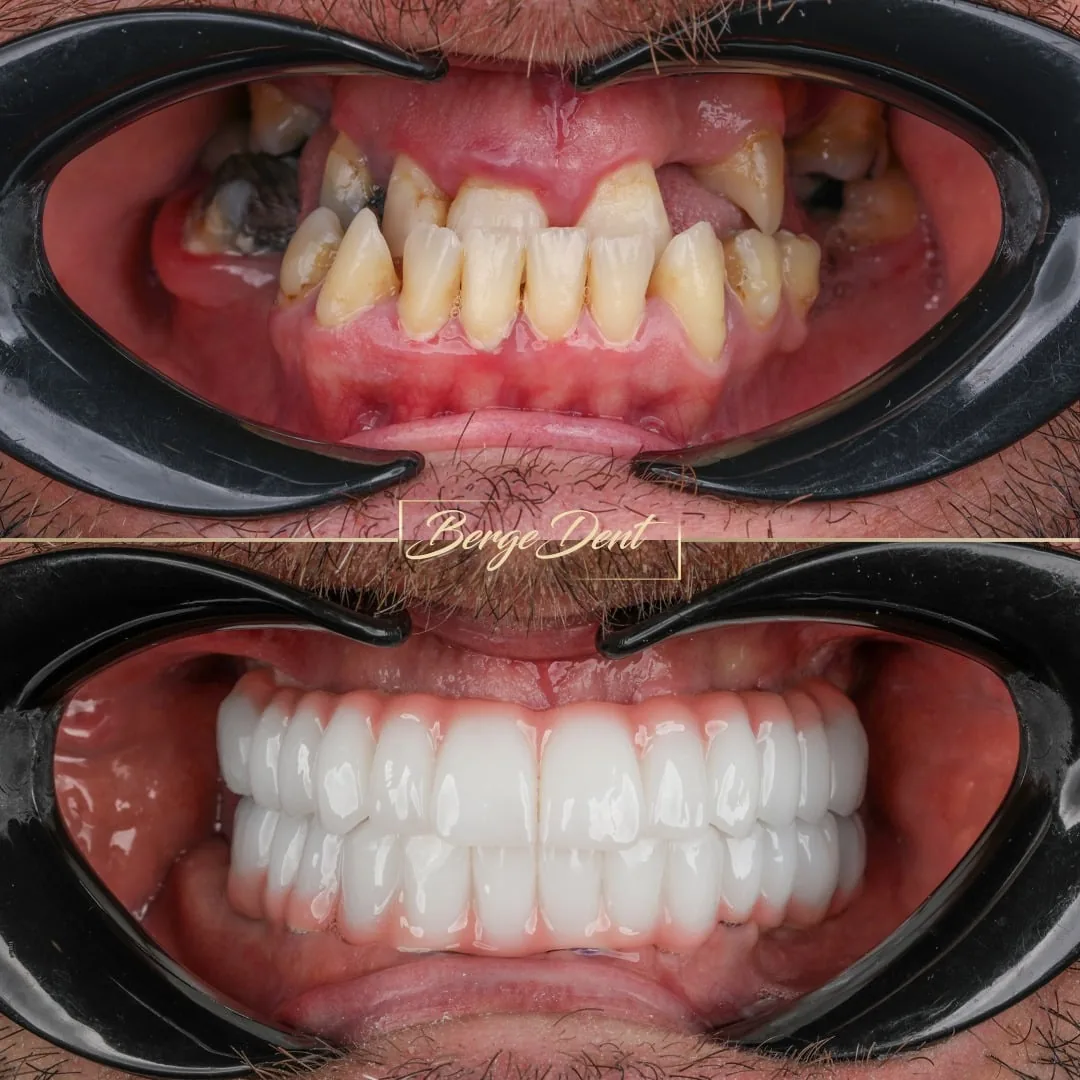
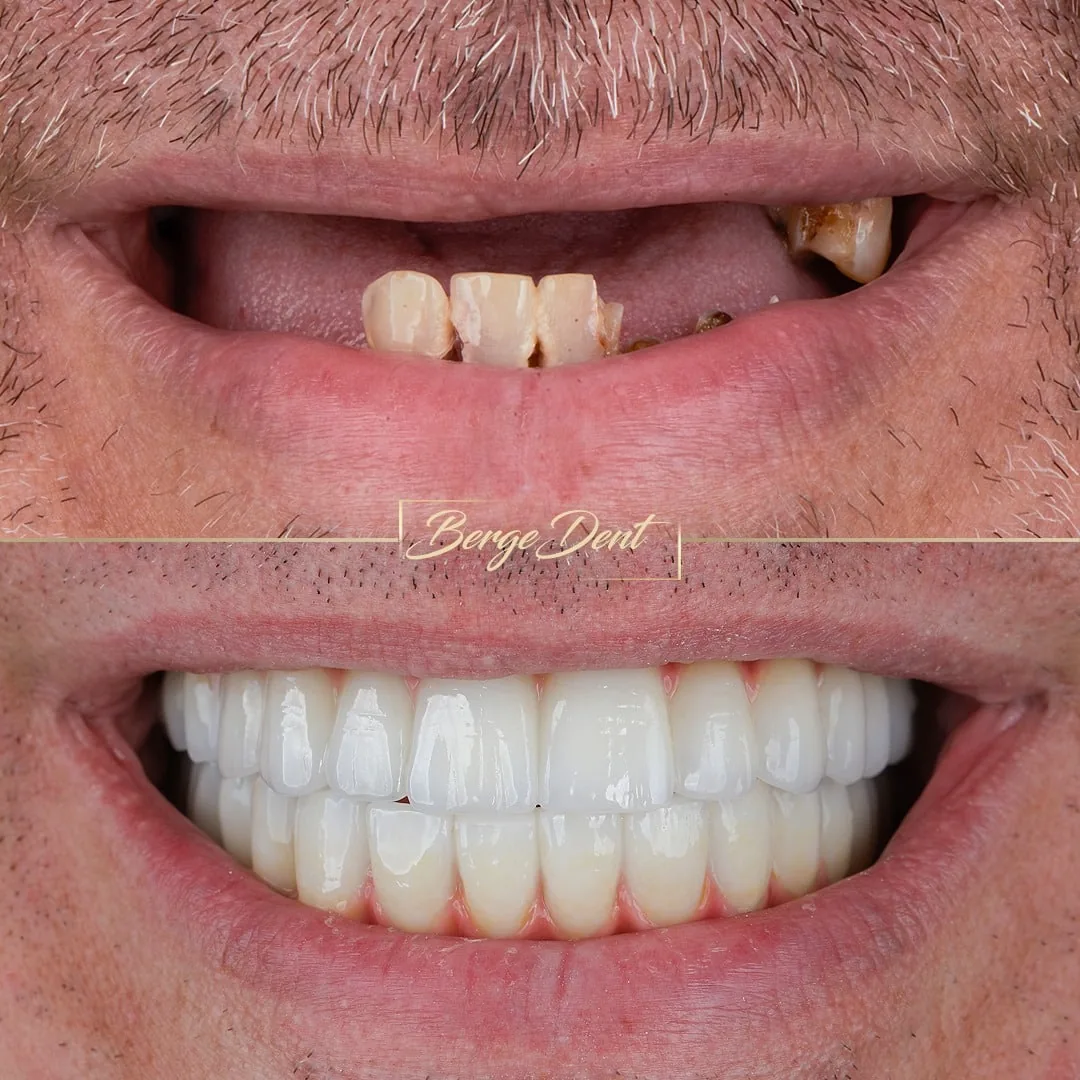
When placed by a qualified clinician in suitable bone, dental implants have a strong long-term track record. A 20-year meta-analysis indexed on PubMed Central reports high cumulative survival — though outcomes still depend on oral hygiene, bone health and not smoking. No clinician can honestly promise a "lifetime" guarantee. Implants can fail, and the supporting crown or bridge may need replacement over time. The American Dental Association explains how implants work and who they suit. Not everyone is a candidate either — uncontrolled diabetes, heavy smoking, active gum disease or insufficient bone may mean a graft is needed first, or that an alternative is more appropriate. Learn more about implants in Turkey and the All-on-6 full-arch option.
How long do veneers last?
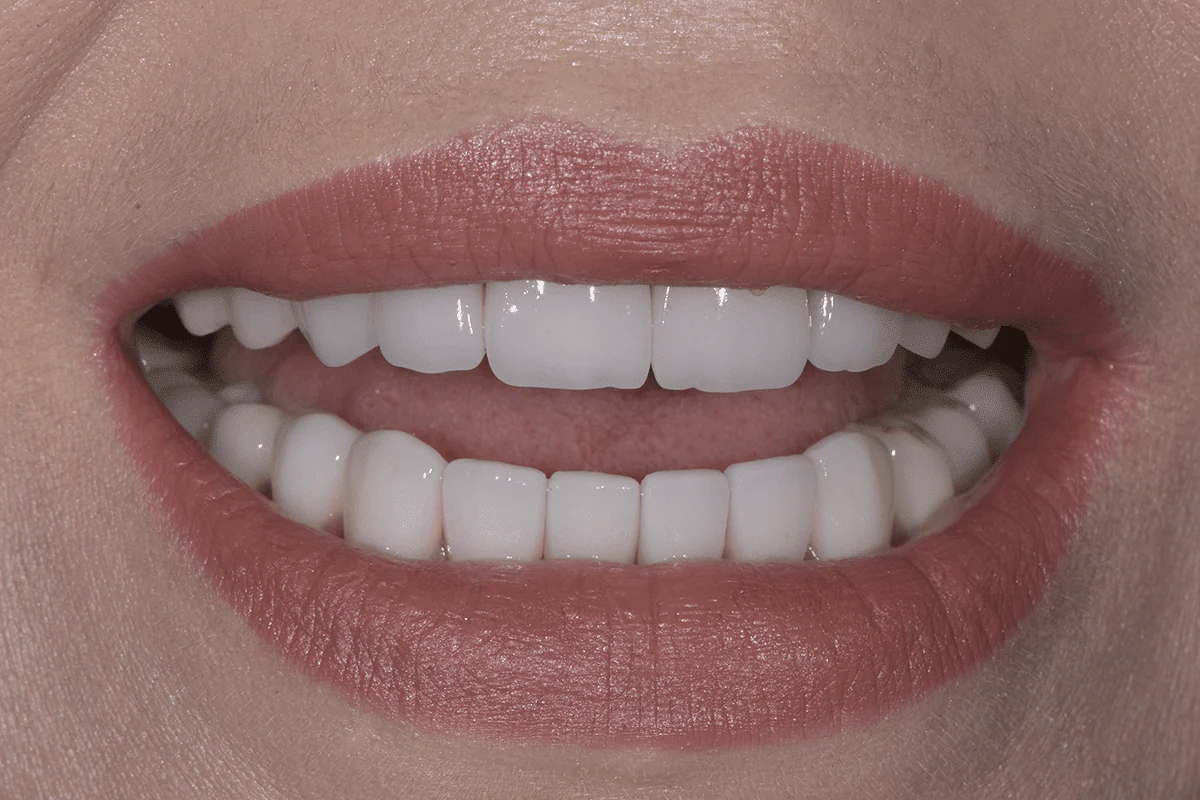
Porcelain veneers are durable, but they're not permanent. A survival review on PubMed Central reports good longevity over many years, with chips, debonding and marginal wear being the most common reasons for eventual replacement. Because preparing a tooth for a veneer usually removes some enamel, the change is irreversible — it should be a considered decision, not an impulse one. The ADA outlines what to expect from veneers. If you're exploring smile aesthetics, see our pages on veneer costs and the Hollywood smile.
Will I be in pain during treatment?
Most procedures are carried out under local anaesthetic, so they're generally well tolerated rather than truly "painless". Some swelling or tenderness for a few days afterwards — especially after implant surgery — is normal and usually managed with simple analgesia. Your clinician will talk you through what to expect for your specific treatment before you begin.
What should I check before choosing a clinic?
Before booking, our team recommends confirming the essentials:
- Independent accreditation (for example, TEMOS) and licensed, named clinicians.
- The treating dentist's experience in your specific procedure.
- Clear, itemised pricing with no hidden charges.
- A written treatment plan after a proper assessment — ideally from your X-rays.
- Arrangements for follow-up and aftercare once you're home.
The NHS overview of common dental treatments is a helpful primer if you want to understand a procedure before your consultation.
Where can patients see Dr Berge's explanations?
Our lead clinician has appeared on Turkish national television — including Show TV — and has recorded a library of short explainer videos covering implants, smile design, gum treatment and bruxism. These press appearances reflect decades of clinical experience. They're educational, though — not a substitute for an individual assessment of your own mouth. For written answers to more questions, visit our full FAQ page.
What about full-mouth rehabilitation?
If you have several missing or failing teeth, a full-mouth solution may restore both function and appearance across a planned series of visits. Read about full-mouth implants to understand the options, timelines and what recovery involves.
Have a question we haven't covered? Share your X-rays or photos and our team will give you an honest clinical opinion. Request a free consultation — no obligation.
This article is for general information and is not personalised medical advice. Please read our medical disclaimer.